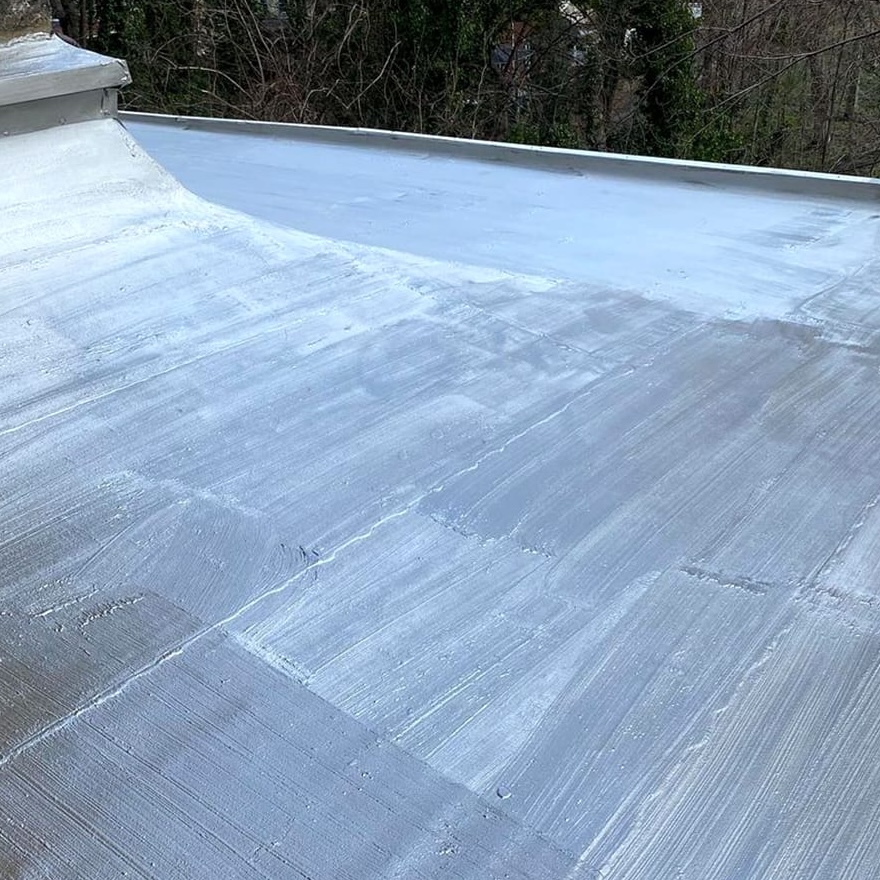
Common Roofing Issues: Wrong Coating For Roof Type Problems
Work With the Best Roofing Contractors in Central Texas

Quality is at the heart of our Austin roofing company in every project we take on. Contact our experienced Central Texas roofers for a same-day, pressure-free inspection. Call 512-375-3654 to book your free inspection.
If you need a new roof installed, LOA is the roofing company to call! Our roofing experts are known for providing quality workmanship at a fair price. If you own a house or business in Central Texas you can't afford to work with another roofer.
Find out how much roof replacement will cost in Austin, Texas and the surrounding areas.

Choosing the right roof coating system is the first decision, and it's possibly the most important choice you'll make. Using the wrong roof coating for your specific roof surface can lead to premature failure, costly damage and a compromised building envelope.
Roof coatings are specially formulated to work with particular roofing materials and in certain environmental conditions. There are a lot of different types of roof coatings with some of the most common types being:
- Silicone roof coatings
- Polyurethane coatings
- Acrylic coating system
The professional roofing contractor you consult with can help you select a coating that's compatible with your roof material and local weather. But if they don't follow manufacturer recommendations or don't fully understand roof coatings it can cause coating failure issues that go down to the roof deck.
Do you have the wrong roof coating?
Schedule a Free Roof Inspection With LOA to Figure Out What Type of Roof Coating is Best!

Correcting Issues When the Wrong Type of Roof Coating Was Used
When the wrong roof coating is applied to a roof system, repairs involve careful removal of the unsuitable coating, proper surface preparation and applying the correct coating system to restore durability and protection. Below is a detailed overview of the process building owners need to take to correct a mismatched coating problem.
Assess the Roofing System and Plan Ahead
Proper diagnosis and application are key to getting the protection and longevity you expect from roof coating repairs. Inspect the roofing system carefully to identify the subsequent problems and where they exist on the roof.
You'll also need to confirm the correct coating type that's required for the roof material and local conditions to select an appropriate repair approach.
Remove the Incorrect Coating
Remove failed or incompatible coating sections by scraping, power washing or sanding the surface to expose a clean substrate. In some cases, complete removal of the wrong coating is necessary to prevent adhesion issues with the new system.
Proper Surface Preparation
Clean the roof thoroughly to remove everything — dust, debris, oils and residues. Skipping this step could impede the bonding process.
Next, any roof damage such as cracks or blisters needs to be repaired. Ensure the surface is completely dry before moving on.
Apply Primer and the Correct Coating
It's critical that you follow the coating manufacturer recommendations, which could suggest using a primer to promote chemical bonding between the substrate and new coating. When you move on to the next step of coating the roof with the proper roof coating material, follow the manufacturer thickness and application guidelines exactly.
Proper Maintenance and Inspections Moving Forward
To maximize the performance of the corrected coating system you'll want to conduct regular roof inspections and maintain it as needed. The secret to improving a roof's life span is fixing problems early before they keep getting worse with regular maintenance.
The trained professionals at LOA know how to properly pair the right roof coating with the existing roofing material so that you get better performance not more repairs. Austin area property owners that are dealing with a mismatched roof coating can call us at 512-375-3654 or schedule a free roof inspection online.