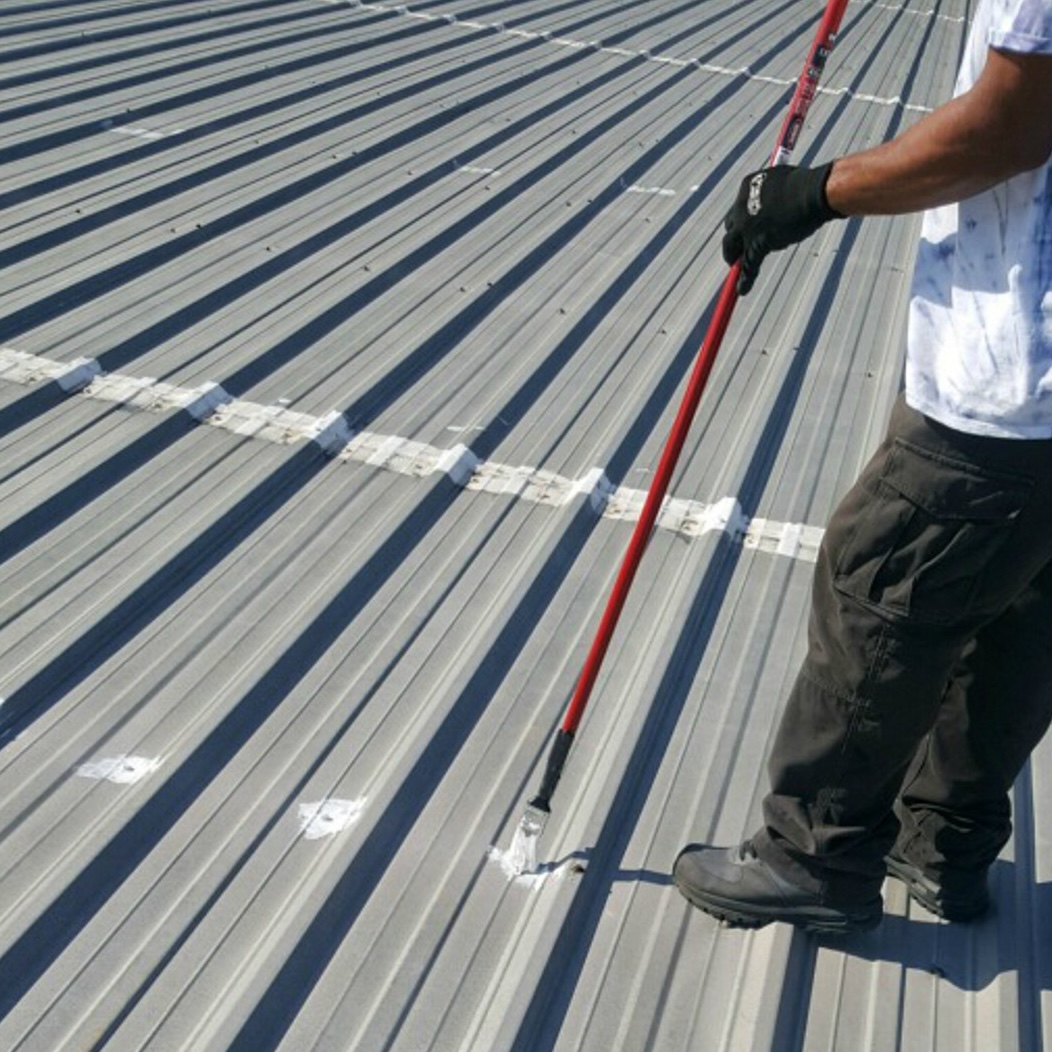
Common Roofing Issues: UV Degradation of Roof Coating
Work With the Best Roofing Contractors in Central Texas

Quality is at the heart of our Austin roofing company in every project we take on. Contact our experienced Central Texas roofers for a same-day, pressure-free inspection. Call 512-375-3654 to book your free inspection.
If you need a new roof installed, LOA is the roofing company to call! Our roofing experts are known for providing quality workmanship at a fair price. If you own a house or business in Central Texas you can't afford to work with another roofer.
Find out how much roof replacement will cost in Austin, Texas and the surrounding areas.

UV resistant roofing materials have become big business. We know that some materials are much better than others at deflecting UV rays, and that solar reflectance means there's less heat absorption into the home or building. Many roof coatings are developed to maximize these benefits. But they are UV resistant materials, they aren't indestructive. As the frontline of defense, UV degradation can occur.
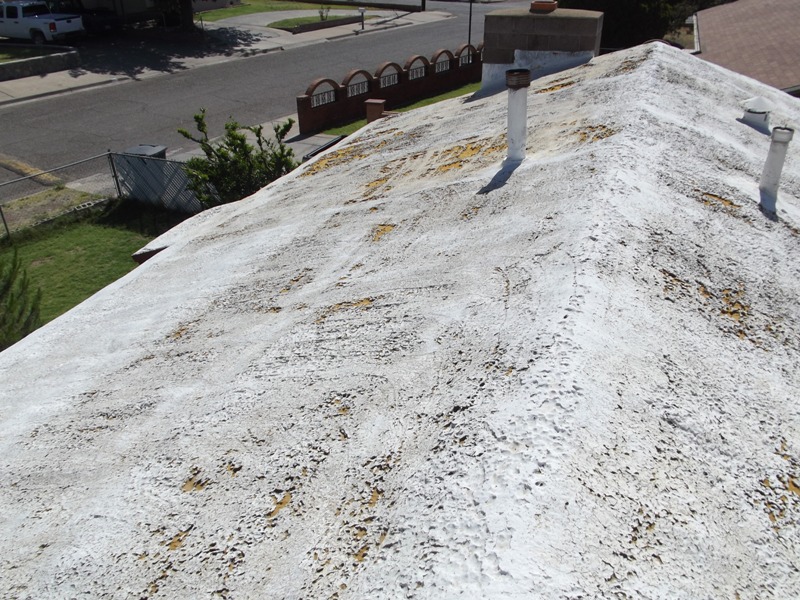
When a roof coating suffers from UV degradation, its protective performance and lifespan are dramatically reduced. Sunlight, especially the intense Texas sun, breaks down the chemical bonds in many coatings, causing visible damage and making the roof more vulnerable to leaks, water intrusion and costly repairs. This is the case regardless of whether you have UV resistant asphalt shingles, metal roofing or another type of roofing material.
Has your roof coating become degraded by UV rays?
Schedule a Free Roof Inspection With LOA to Figure Out What Type of Roof Coating is Best!
Repairing the Roof Coating For Better UV Resistance
UV degradation is a slow but relentless process that turns even premium cool roofs into brittle, faded, ineffective layers if they aren’t maintained. Repairing a roof coating that's been damaged by UV degradation requires careful attention in order to restore its protective qualities and extend roof life. Here’s what our professional roofers do to correct issues caused by prolonged exposure and reverse the degradation process.
Inspection and Assessment of UV Damage
We'll begin by inspecting the protective roof coating for signs of UV degradation. What we're looking for is fading, chalking, cracking, peeling and brittleness to determine the extent of damage. It's also important to identify areas where the coating has lost adhesion since it makes the roof structure vulnerable to other environmental factors and can compromise structural integrity.
Cleaning and Surface Preparation
In order to get adequate adhesion the roof must be cleaned thoroughly using low-pressure washing to remove chalk residue, dirt and debris. Once the roof is clean, any underlying damage such as cracks, splits or blisters can be repaired.
Removing the Damaged Coating
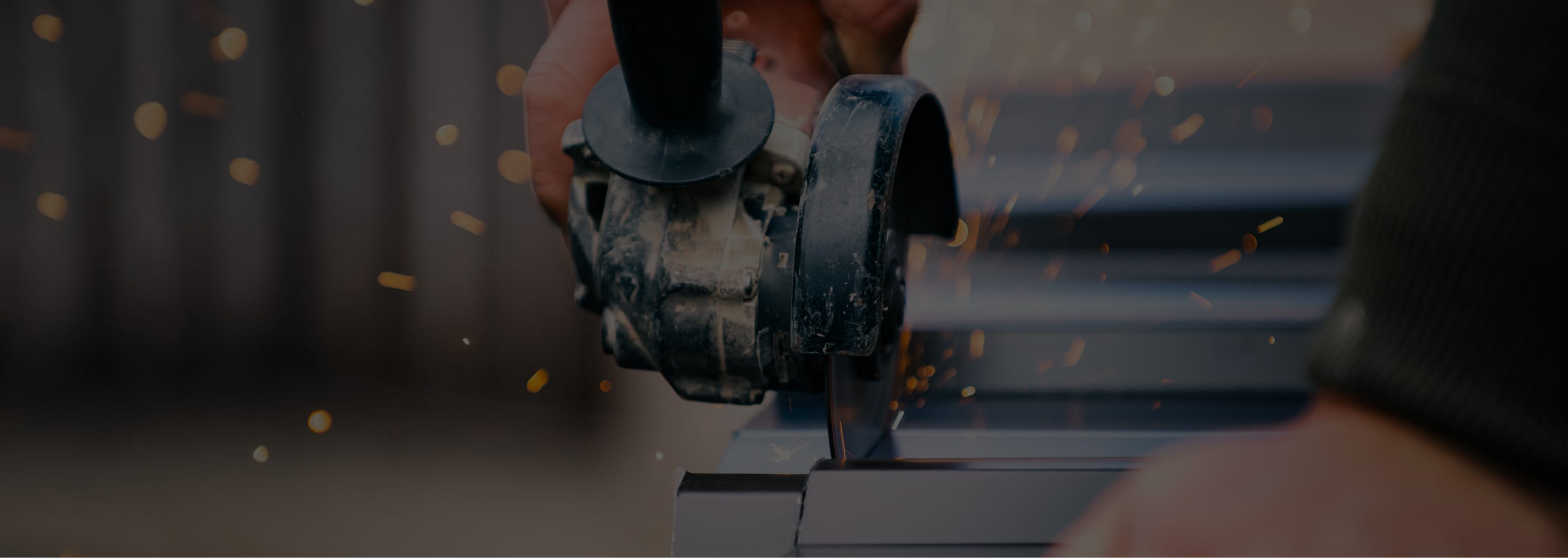
The damaged coating must also be removed prior to recoating. This is done by scraping or sanding away loose, peeling or excessively degraded coating layers to expose the stable substrate underneath. For severe damage, partial or full removal of the old coating may be necessary.
Apply an Appropriate UV-Resistant Repair Coating
Selecting roofing materials is a big decision. There is no roofing material UV rays can't damage given enough time, but some are better than others. Compatibility is also a consideration. There are a variety of options from elastomeric coatings to acrylic coatings, but they don't work for every roofing material.
We may also need to apply a UV-resistant primer before applying a roof coating that's formulated specifically for UV protection. How these products are applied matters. You have to use the correct thickness and application method to ensure durability and full UV defense.
Routine Maintenance and Inspection
Experience has already shown that the protective coating isn't foolproof. You'll need to schedule regular roof inspections to catch early signs of UV damage and preserve the reflective properties through roof maintenance measures aimed at protecting the coating.
As a top-rated Texas roofer, LOA knows all about UV degradation and how to repair existing roofing materials. Any homeowner or commercial property owner in the Austin area can reach us at 512-375-3654 or schedule a free roof inspection online to determine the extent of the damage and how to get it repaired fast.