Wind and Hail Damage in Austin: How to Identify and Address Common Roof Issues
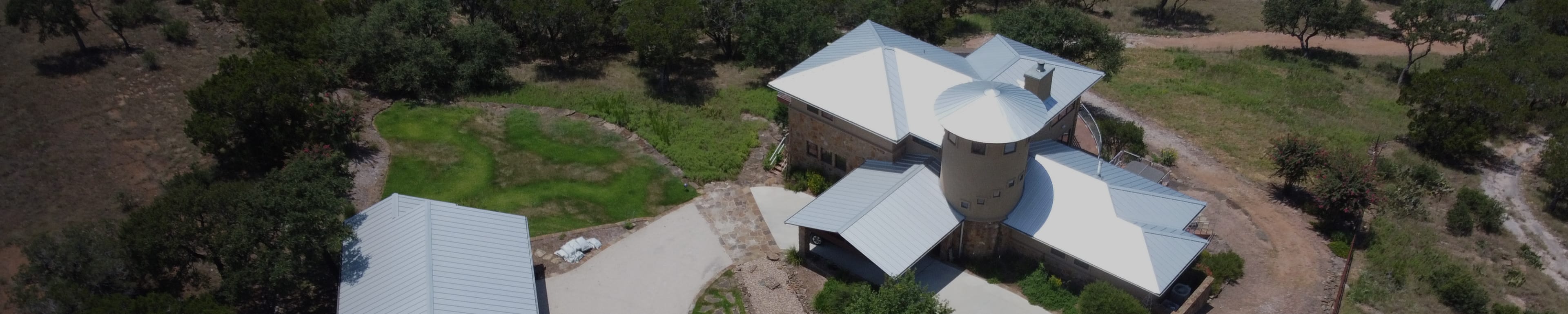

Living in Central Texas means enjoying plenty of sunshine. It also means preparing for the seasonal threat of high winds, hail and severe storms. When the skies clear, many homeowners are left wondering if their roof suffered damage during the weather event. And rightfully so. Your roof protects your entire house, and wind damage, even if it seems minor, can cause long-term problems if left unchecked.
From missing shingles to hidden leaks and granule loss, wind-related roof damage can escalate quickly into costly repairs. That’s why understanding how to identify storm damage is critical for maintaining your roof’s integrity and avoiding significant issues later. In this guide, we’ll walk you through how to spot wind damage on roof, when to call in a professional contractor and how to navigate your insurance claim process with confidence.
Whether you have a flat roof, metal roof or traditional asphalt shingles, this guide will help you take proactive steps to inspect, document and address storm damage before it gets worse.
How To Recognize Wind Damage on Your Roof
After severe weather, recognizing wind-caused roof damage is crucial. High winds, often exceeding 45 mph, can inflict significant damage on most roofs, leading to issues that might not be immediately visible.
- Missing or damaged shingles
- Curling or flapping shingles
- Granule loss
- Leaks or water stains on ceilings
- Shingles found in the yard
Unchecked issues can escalate and cause widespread damage to your home. Timely roof repairs from early detection prevent small problems from becoming major headaches.
Identifying Specific Types of Roof Damage
Missing and Curling Shingles
- Look for shingles on the ground or visible gaps from the yard
- Flapping shingles may indicate future failure
- Call a professional for a comprehensive inspection
Curling shingles may appear upturned, lifted or out of alignment. They can allow water to seep underneath, leading to leaks. Address curling shingles promptly to prevent further damage.
Granule Loss
Granules protect shingles from UV rays. Loss leads to bald spots and vulnerability. Look for granules in gutters or bald patches on shingles.
How Wind Damages Different Roofing Materials
Windstorms affect roofing materials differently. Understanding these helps in making informed repair or replacement decisions.
Asphalt Shingles vs. Metal Roofing
Asphalt shingles are vulnerable to wind. Reinforced edges, impact-resistant shingles and proper fastening help.
Metal roofs, especially standing seam types, resist winds up to 150+ mph. Proper installation enhances protection.
Flat Roofs
Flat roofs can bubble or tear under high winds. Maintenance and strong attachment reduce damage.
Inspecting Your Roof After High Winds
Inspections reveal damage like lifted shingles, stains and granule loss. Check:
Roof Shingles
Look for curling, missing or loose shingles. Contact a roofer for repairs.
Gutters and Flashing
Ensure gutters are clear and undamaged. Inspect flashing around chimneys and vents.
Surrounding Areas
Check the yard and attic for branches, leaks or signs of damage. Displaced landscaping may indicate high winds.
What to Do If You Find Wind Damage
- Contact a licensed, insured roofer for inspection and estimate
- Document damage with photos and notes
- File an insurance claim if damage is covered
Document the Damage
- Take detailed photos of dents, leaks and debris
- Create a written report of all observed issues
File an Insurance Claim
Submit promptly with full documentation. Be wary of lowball estimates. Some policies require matching shingles for full replacement.
Preventative Measures Against Wind Damage
Regular Maintenance
Routine checks preserve roof life and catch small issues before they grow.
Reinforce Roofing Materials
Use thicker dimensional shingles and roofing cement to secure vulnerable areas.
Install Wind-Resistant Features
Add storm shutters, reinforced fasteners and consider metal roofing for high wind areas.
When to Consider a Roof Replacement
- Significant missing or curling shingles
- Granule loss and visible bald spots
- Roof age + visible damage
- Mold or mildew indoors
- Professional inspection confirms need
Understanding Insurance Coverage for Wind Damage
Policies differ between Actual Cash Value and Replacement Cost Value. Improper installation may void coverage. Take photos and file promptly to prevent delays or denials.
Working With a Reputable Roofing Contractor
- Ask for references
- Request insurance proof
- Get detailed written estimates
- Expect good communication and transparency
Trustworthy contractors ensure your roof is restored and your home stays protected.
Frequently Asked Questions
How can I tell if my roof has wind damage?
Check for missing, curled or lifted shingles and damage to gutters or flashing.
What should I do if I find wind damage on my roof?
Contact a professional roofing company, document the damage, and consider filing a claim.
How can I prevent wind damage to my roof?
Perform regular maintenance, reinforce weak areas, and install wind-resistant features.
Does homeowners insurance cover wind damage?
Most policies do, but check your specific coverage for details and exclusions.
When should I consider replacing my roof?
If you see extensive damage, granule loss, or signs of aging, consult a professional for inspection.
Contact LOA Roofing & Construction Today
Understanding and addressing wind damage early can save thousands in repairs. LOA Roofing is here to help. From inspections to insurance support, we ensure your roof stays strong and secure.
Contact us today to schedule a roof inspection and protect your home!
Back to Blog