Roof Types and Roofing Materials

At LOA We've Got Solutions for Every Type of Roof
5.0 Stars 1,000+ Reviews
With a commitment to quality, our Austin roofing company excels in every job. For a same-day, no-pressure inspection, connect with our Central Texas roofing professionals. Schedule your free inspection by calling 512-375-3654.
The roof design is going to influence the look of a home or building in a big way, but it also factors heavily into what roofing materials will work best. Here's a look at some of the most common roof types and styles along with details about their design.
Ready to get started on your roofing project no matter what type of roof you have?
Roof Designs
Gable Roof
Regular gable roofs are very common. They look like a regular pitched roof except that there's a flat end that is triangular and not made with roofing material. This is what's known as the gable. There are many variations of gable roofs that include:
- Double gable roof
- Dutch gable roof
- Inverted gable roof
- Cross gable roof
- Clipped gable roof
Hip Roof
Hip roofs, also known as a hipped roof, have four sides that all slope down from a central point on the top. There are no gables or vertical ends. There's also no secondary slope with a standard hip roof. There are a number of hip roof designs such as:
- Traditional hip roof
- Hip and valley roof
- Pyramid hip roof
- Cross hipped roof
Dutch Roof
Dutch roofs are a combination of a few roof styles. It's like hip roofs at the top with a steep slope and small gable. The sides slope downward further often creating an overhang. This style is also referred to as a Dutch gable roof.
Gambrel Roof
The unique gambrel roof type is seen on barns and has a distinct V shape at the top that goes into another very steep slope on two sides.
A Frame Roof
A frame roofs have a steep slope on either side like a traditional tent. Often the roof runs almost to ground level, giving an A frame roof a dramatic appearance.
Butterfly Roof
A butterfly roof is often seen with modern architecture. It's a distinctive roof style in which the roof line angles upward rather than sloping downward giving the appearance of butterfly wings that are half open.
Clerestory Roof
Another type of roof with oddly aligned angles is clerestory roofs. One side of the roof is higher and steeper with a line of windows underneath, and the other side of the roof slopes down gently from the base of the windows.
Skillion Roof
A skillion roof looks very similar to a clerestory roof. It's a combination roof that combines a flat roof and a sloped roof that usually hangs over the flat portion. This style is sometimes called a shed roof.
Mansard Roof
This is a very decorative roof design also known as a curb roof. It features four sides that all have double slopes. There are actually four styles of mansard roofs: convex, concave, straight and S-shape.
Bonnet Roof
Bonnet roofs get their name because the shape makes it look as if the house is wearing a hat. Typically a bonnet roof has four sides creating a rectangular shape as well as secondary roof slopes toward the roof line that creates an overhang.
Saltbox Roof
A saltbox roof has that name because the shape resembles a saltbox. It's a common style for farm houses in the Midwest. The pitch on one side is much longer and steeper than the other.
M Shaped Roof
An M shaped roof literally looks like the letter M. The roof angles upward from the middle and then there's an extreme slope going down either side.
Sawtooth Roof
If you want more angles than an M shaped roof you may be interested in sawtooth roofs. The roof line has multiple inverted V angles giving it the appearance of the teeth on a handsaw.
Dome Roof
Dome roofs are easy to spot because of their round shape, but they are difficult to roof for that very reason.
Dormer Roof
A dormer roof is actually an added small pitched roof over a window that juts out of the roof. These curved roofs are quite challenging for roofers and not all materials are going to work.
Asphalt Shingle Roofing
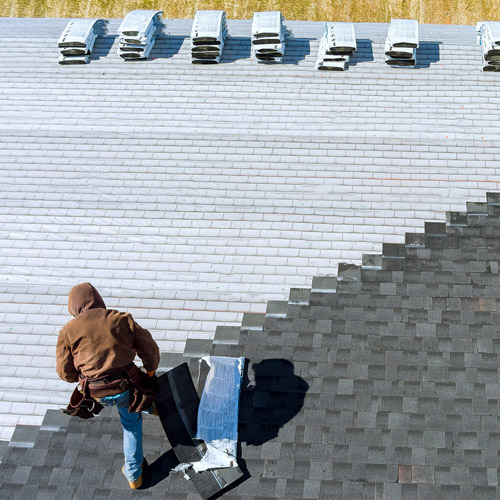
Many roof types, from a clerestory roof to a cross hipped roof, are very suitable for asphalt shingles. Traditional asphalt shingles have a fiberglass or organic base that is put into asphalt and then covered with mineral granules. The granules come in a variety of colors and help to provide good durability for the price.
While asphalt shingles will hold up well in most environments and are relatively affordable to repair, this roof material has a slightly shorter lifespan of 15-30 years depending on the manufacturer. Is it the right option for your roof type? Discover the pros and cons of asphalt shingle roofing to decide.
Clay Tile Roofing
Clay tile roofing is common with certain home designs like Mediterranean and Spanish style homes. The kiln-fired natural clay tiles have a distinct look, but superior durability is another bonus. Clay tiles can last more than 50 years. Plus, they are also great insulators that help regulate the temperature inside better than other roof materials.
The issue with clay tiles is the weight. Not all roof types can support heavy clay tiles. If you are set on using this roof material, extra reinforcement may be needed prior to installation.
Learn More About Clay Tile Roofing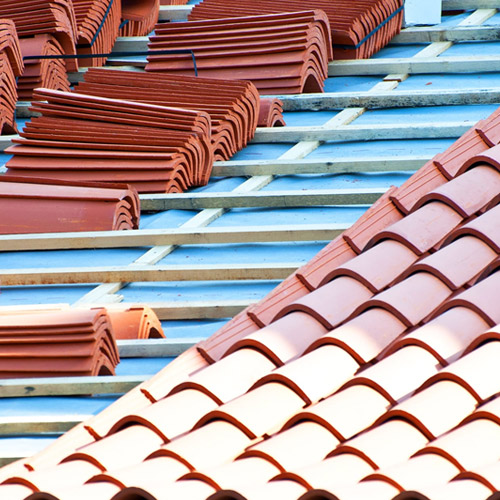
Metal Roofing
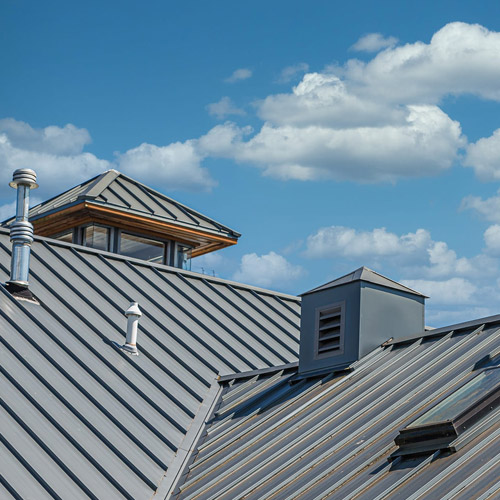
Just about every roof style is compatible with metal roofing. The material is easy to work with and cut into various lengths or shapes. And if you have a curved roof there are metal shingles today that provide more versatility while offering the same durability and lifespan of 50-70 years.
A metal roof can be noisier since it's made of copper, steel, zinc or aluminum, but it has great strength and can handle a storm. The installation is typically a little more expensive than installing asphalt shingles but getting twice the years out of the roof more than makes up for the difference. Take a look at the pros and cons of metal roofs to decide if it could work.
TPO Roofing
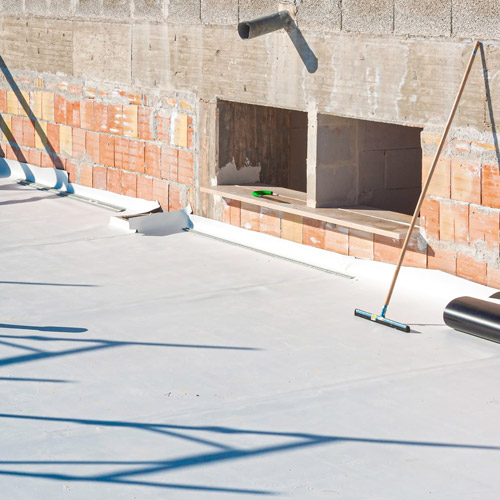
TPO roofing is a popular choice for industrial and commercial buildings. It's made by combining polypropylene and ethylene-propylene rubber to create a single-ply membrane. The rubber material is lightweight yet does a good job of reflecting UV rays and heat for improved energy efficiency. Other benefits particularly for flat roofs is TPO's resistance to mold and punctures.
With an average lifespan of 20-30 years, TPO doesn't last as long as some other roof types, but it is generally lower cost and easier to install. Discover more advantages of TPO Roofing.
Built-Up/Mod-Bit Roofing
When there's a low slope or flat roof we often recommend Built-Up Roofing (BUR) and Modified Bitumen (Mod-Bit) systems as an option. BUR is made by saturating layers of roofing felt with bitumen and topping it with aggregate. Mod-Bit roofing incorporates rubber or plastic for improved flexibility. Either type of roofing is ideal if you want superior waterproofing and easy maintenance for an affordable price upfront. See how Built-Up and Mod-Bit roofing are used.
EPDM Roofing
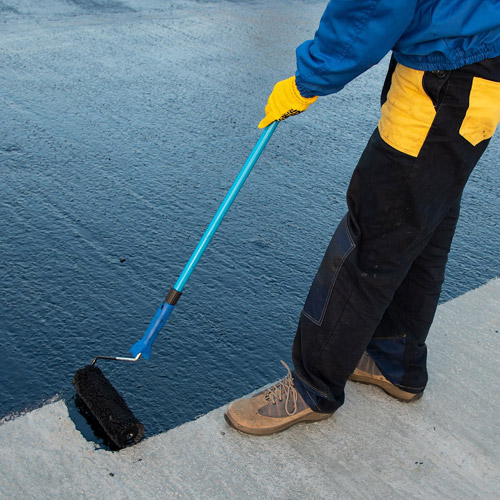
Ethylene Propylene Diene Monomer, better known simply as EPDM, is perfect for commercial buildings with a low slope roof that are looking for an economical solution that's still durable. EPDM is a synthetic rubber material that has been shown to do well in different climates. If you want to reduce heat absorption, opt for a lighter shade rather than black EPDM.
EPDM roofing can last up to 30 years, but it needs to be installed correctly to get the most years of use out of it. Learn more about the durability of EPDM Roofing.