Common Roof Issues: Thermal Shock From Temperature Swings in Roofing Materials
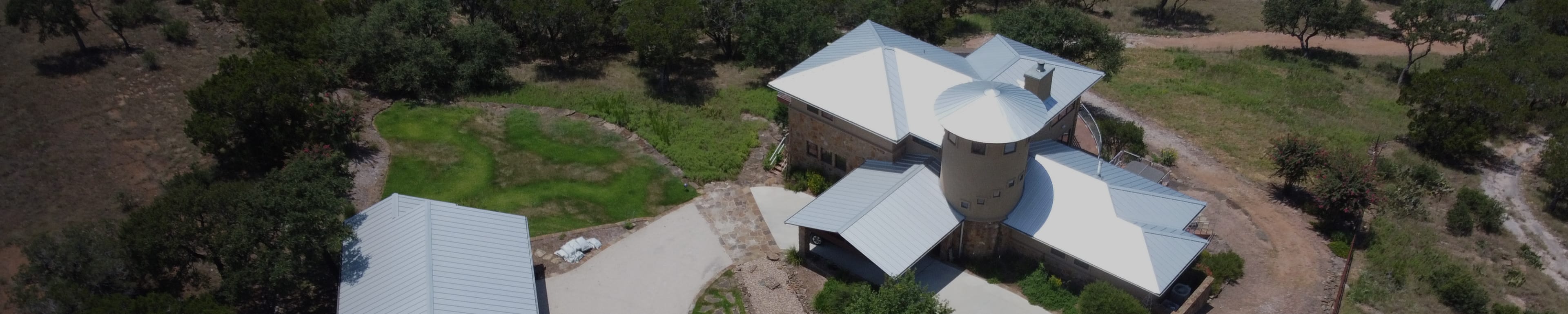
Consistency in the temperature is a very good thing for roofing systems. The exact opposite scenario is something known as thermal shock.
Thermal shock occurs from rapid temperature swings that can wreak havoc on roofs in Austin and across Texas, particularly around the winter months when there can be significant shifts in the weather. When the temperature drops or increases suddenly, roofing materials rapidly expand and contract in ways that stress seams, fasteners and surface layers. All that movement leads to a mix of costly damage that compromises the roof's integrity.
Here's what property owners in the Austin area need to know in terms of how their roof can be impacted by thermal shock, plus practical ways to fix each problem once it happens.
Need to repair or prevent thermal shock damage on your roof?
Schedule a Free Roof Inspection to Keep Roof Temperatures More Constant!
What Happens to Your Roof When There Are Fast Temperature Fluctuations
Thermal shock can occur with any roofing material from asphalt shingles to metal roofing systems to flat single-ply commercial roofing. When it does, it can cause significant damage, including:
- Cracks, Splits and Seam Tears: Expansion and contraction within the roofing system strains joints, flashing and membrane seams to the point visible cracks, splits or open seams can occur.
- Warped or Buckled Panels/Shingles: Metal, asphalt and even concrete roofs can warp or buckle, causing shingles to curl up or metal panels to lift, especially at weak points and fastener locations.
- Leaks After Cold-to-Hot Weather Swings: Fresh leaks may pop up after wild weather swings as damaged or shifted materials create new pathways for water intrusion. It's particularly problematic when the sudden temperature changes go from freezing cold to warm if ice dams have formed or melting snow has collected on the roof.
- Loss of Elasticity and Surface Integrity: Rapid temperature changes can weaken roof materials faster, especially the UV coating. The roof surface can blister, bubble or lose granules.
- Loose Fasteners and Flashing Damage: Repeated movement at joints and edges loosens screws and damages the flashing, further opening up gaps for leaks.
How to Fix Different Types of Thermal Shock Damage
The following table outlines common thermal shock damage types, their signs, and appropriate repair approaches:
| Damage Type | Signs | Repair Approach |
|---|---|---|
| Cracks/Splits | Visible breaks in flashing, seams, membrane or shingles | Clean and fill damaged areas with high-quality roofing sealant. For large cracks, replace damaged sections of membrane or shingles. |
| Warped/Buckled Panels | Curling, lifted edges, wavy lines in roof surface | Replace warped shingles, re-attach or re-seal lifted panels and use mechanical fasteners where needed. |
| Leaks/Intrusion | Damp spots, water stains, visible drips | Track down the leak source then patch or replace affected areas, reinforce fasteners and reseal seams. |
| Blistering/Bubbling | Raised bubbles on surface, soft spots | Cut out blisters, clean the affected area, patch with compatible material and monitor it for recurrence. |
| Loose Fasteners/Flashing | Gaps or movement at edges, missing screws or nails | Tighten or replace fasteners, re-bed flashing with sealant and check adjacent areas for other weak spots. |
How to Prevent Thermal Shock in Extreme Temperatures
Austinites have to prepare in advance to prevent thermal stress since extreme heat is a regular occurrence during the day in the summer, but it can cool off at night. And sudden temperature drops are possible in the winter followed by warmer weather. The extreme fluctuations can cause significant damage to roofing materials.
- Schedule regular inspections after big temperature swings.
- Use flexible, high-quality roofing materials and sealants.
- Ensure proper ventilation and drainage.
- Consider how different roofing materials react to temperature swings.
- Think about the color and UV resistance when choosing a roofing material.
Rapid temperature swings are unavoidable in Central Texas, but fast action and appropriate repair methods will keep your roof resilient for many seasons to come.
The experienced team at LOA has seen and fixed all types of temperature shock damage in Austin. If the structural integrity of your roof has been impacted by temperature fluctuations we can help. Call us at 512-375-3654 or schedule a free roof inspection online to get your roof back in shape.