How to Address Standing Water on EPDM Roofs: Causes, Problems and Solutions
Work With the Best Roofing Contractors in Central Texas


Quality is at the heart of our Austin roofing company in every project we take on. Contact our experienced Central Texas roofers for a same-day, pressure-free inspection. Call 512-375-3654 to book your free inspection.
If you need a new roof installed, LOA is the roofing company to call! Our roofing experts are known for providing quality workmanship at a fair price. If you own a house or business in Central Texas you can't afford to work with another roofer.
Find out how much roof replacement will cost in Austin, Texas and the surrounding areas.

EPDM roofing systems, also commonly referred to as rubber roofing, is a great option for flat roofing since the material has great waterproofing properties. With low slope and flat roofs, waterproofing the roof's surface is always a top priority since water won't drain as easily compared to pitched roofs.
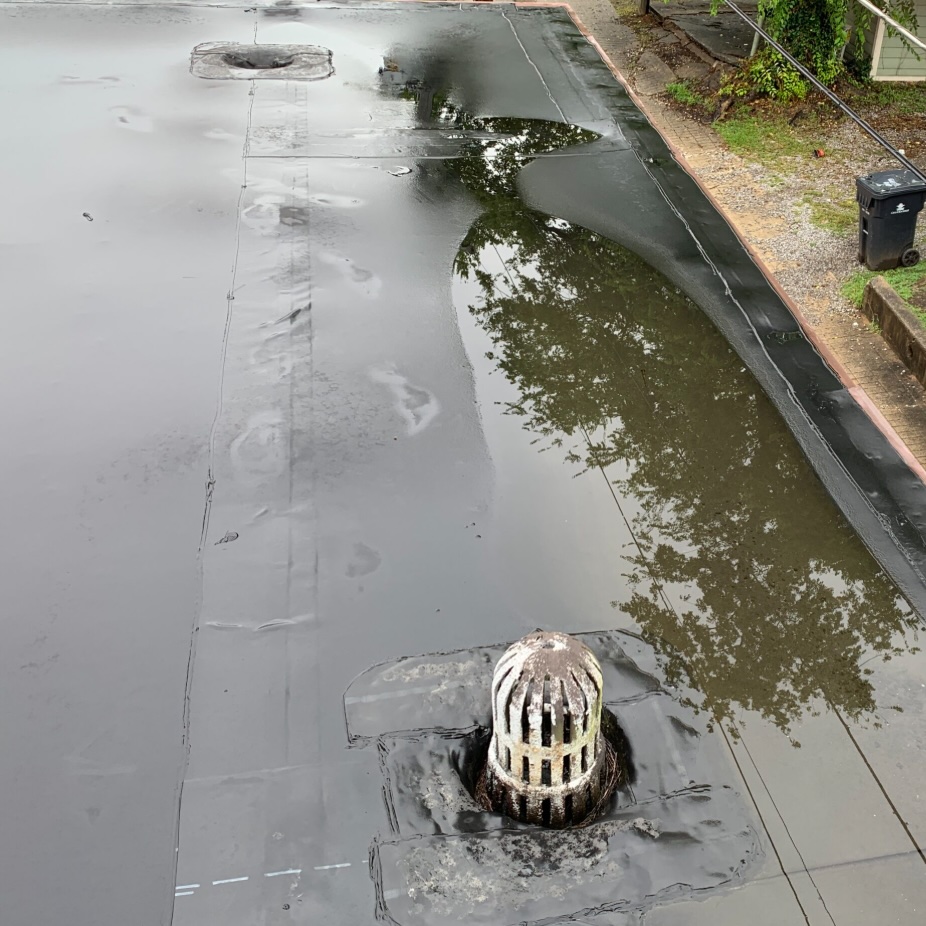
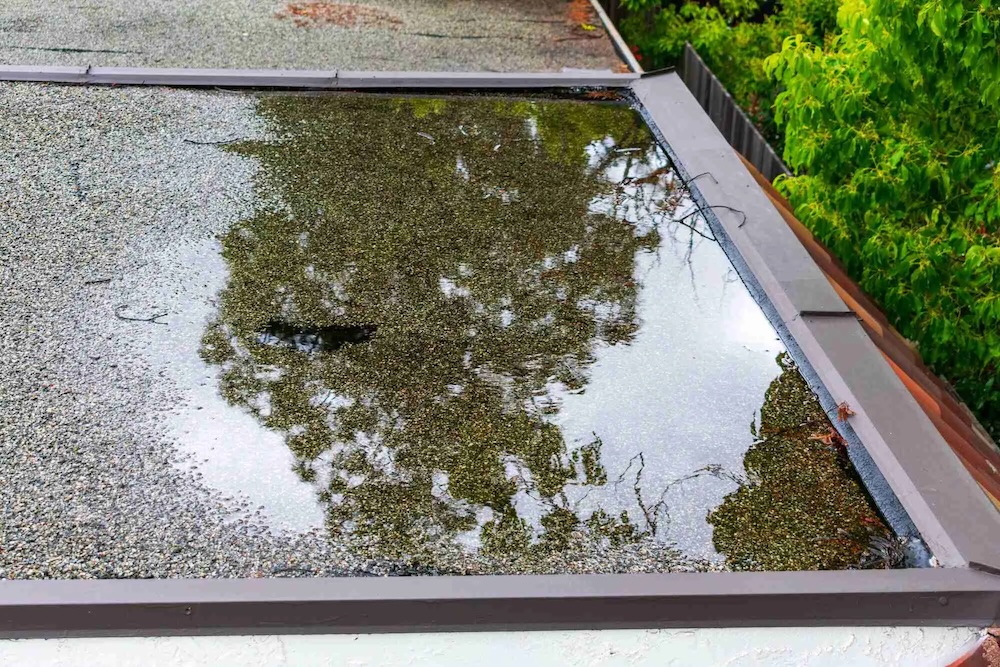
Water pooling on an EPDM roof is a clear sign that there isn't proper drainage, and this can cause a lot of serious problems over time. Eventually the ponding water will seep through the EPDM membrane, which can damage the insulation underneath, cause structural damage and compromise the roofing materials to the point that full roof replacement is needed.
Don't let it get to that point! If you catch water ponding issues quickly you can address the underlying problem and ensure there is sufficient drainage so that serious damage doesn't occur.
Have you seen ponding water on your EPDM roof?
Schedule a Free Roof Inspection With LOA to Identify the Water Pooling Issues

What to do to Ensure Your EPDM Roof Drains Properly
As you can see, there can be a variety of issues causing water to pool on an EPDM roof. The right roofing solution for water ponding is dependent on the underlying problems.
Clean the Roof and Clear Drains
The first and easiest solution for standing water on EPDM roofs is to give the roofing system a good cleaning. Get debris off the roof, clean out the gutters completely and then clear the drains of any clogs. If there are no other underlying issues this should get the water flowing off the roof properly.
Add More Drainage
When the drainage issues go beyond clogs and cleaning, it may be time to upgrade the system. A few more drains or scuppers can be added to increase water flow off the roof.
Fix Damaged Flashing
If you notice water pooling around areas with flashing, check the condition of the materials. Flashing that is damaged will need to be removed and replaced.
Use Tapered insulation to Raise Low Spots
When water is ponding in low spots the fix can be to add tapered insulation underneath to even out the surface.
Repair Damaged Roofing Materials
If degradation is compromising the water resistance of your roof the compromised materials have to be repaired. This can be as simple as using an EPDM patch with a self-adhesive backing to cover small punctures or tears. A liquid sealant system may be required for water-proofing seams and repairing more significant damage.
Fix the Roof Slope
The biggest problem related to water ponding is a roof that doesn't have the right slope. No roof should be completely flat. There needs to be a slight slope in order for water to drain properly. This is often a major roofing project that will require partial or complete roof replacement.
Regular Inspections and Maintenance to Prevent Future Water Ponding
Once all of the issues are addressed the last thing you want is for the water pooling to start back up again. Having the roof regularly inspected can help you catch problems before water starts pooling and degrading the materials. Regular cleanings and roof maintenance are an absolute must as well.
As soon as you see water ponding it's time to call in a professional roofer. The team at LOA can provide a free roof inspection to determine what's causing water to pool and if it's causing structural issues. If your property is in Central Texas give us a call at 512-375-3654 to schedule a free, no-commitment roof inspection!