Common Roof Issues - Salt Corrosion in Roofing
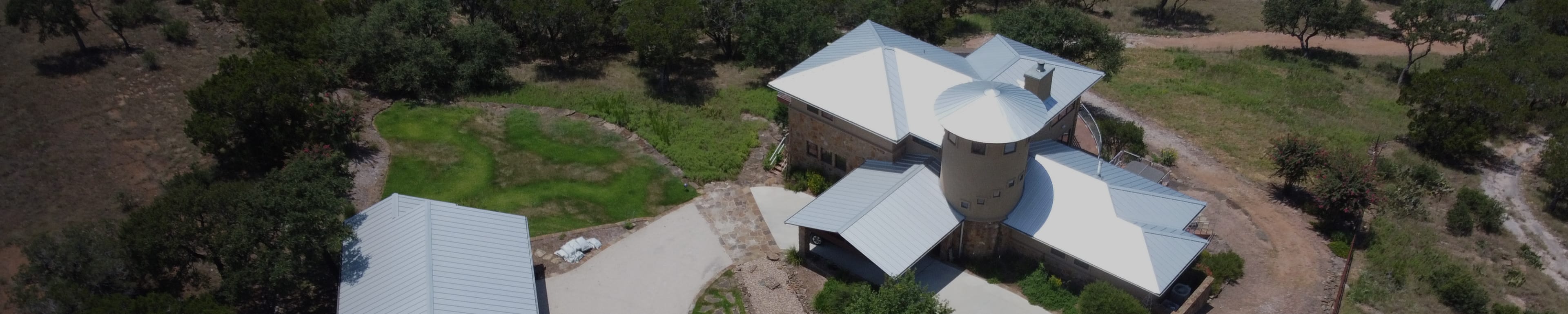
Salt corrosion is a major concern for roofing systems in harsh coastal environments and places exposed to salt-laden moisture in the air. The combination of salty mist, rain and humidity can quietly degrade roofing materials, causing damage that requires costly repairs and leading to premature failure.
Even though the problem may seem severe, there are ways to protect metal roofing and other roof materials and repair the damage that's done by salt deposits.
Is salt damage compromising your roof?
Request a Free Roof Inspection From LOA to Remove Salt Deposits and Ensure Structural Integrity
How Salt Corrosion Happens on Traditional Materials and Metals
You may think that coastal homeowners are the only ones that need to be concerned about salt corrosion, but the issue can extend far beyond the coastline. Salt particles can be found hundreds of miles inland in areas that aren't considered salty environments. Some areas have more constant exposure, but even occasionally having salt in the air affects different roofing materials.
- Salt-laden Air and Mist: In coastal regions or near saltwater bodies, airborne salt is deposited on roof surfaces through wind, sea spray, rain and even morning dew.
- Salt as an Electrolyte: Salt attracts and absorbs moisture, and when dissolved in water it acts as an electrolyte. This accelerates metal rust and breaking down protective paint, coatings and sealants. Coating degradation can lead to other problems, especially if there is other issues like moisture buildup or aging materials.
- Ongoing Exposure: The continual cycling of moist, salty air increases the chemical reactions at the surface, wearing down materials with every storm or humid spell.
How Salt Exposure Can Damage a Roof's Structural Integrity
Even the best metal roofing materials can't withstand saltwater corrosion forever. And salt corrosion isn't just a problem for metal roofing materials on coastal homes. Salt air impacts just about any roofing material.
- Metal Roofs: Salt air causes rust formation on stainless steel and galvanized steel metal surfaces, metal components, fasteners and flashing. This leads to visible rust, pitting, holes and ultimately structural weakness and roof leaks.
- Asphalt Shingles: Salt spray and particles erode the protective granules on top, allowing the asphalt beneath to dry out, crack and become brittle. Shingles then lose effectiveness and are more likely to leak or blow off in high winds.
- Tile Roofs: While more resistant than many metal roofs and asphalt shingles, clay and concrete tiles can still experience surface erosion, salt powder deposits (efflorescence) and even cracking in extreme conditions.
- Sealant and Membrane Degradation: Salt water exposure leads to blisters, peeling and failure for roof sealants and membranes, increasing the risk of moisture intrusion.
- Accelerated Moss and Algae Growth: Salt attracts and holds moisture, and constant moisture encourages moss, algae and microbe growth that further erodes roofing materials over time.
Repairing Corrosion Damage From Salt Deposits in the Air
The following table outlines common salt corrosion damage types, their signs, and appropriate repair solutions:
| Damage Type | Signs & Symptoms | Repair Solutions |
|---|---|---|
| Metal Corrosion | Rust, pitting, loose panels, failing fasteners | Remove rust, treat surfaces with a rust inhibitor, replace damaged panels and only use stainless/aluminum parts |
| Granule/Shingle Loss | Bald spots, leaks, brittle/cracked shingles | Replace affected shingles, switch to coastal-rated products and apply protective coatings |
| Tile/Efflorescence | White deposits, cracks, eroded tiles | Clean tiles and treat efflorescence, replace cracked tiles then reseal for moisture resistance |
| Sealants/Membrane Wear | Peeling, leaks, blisters | Remove failed sealant then apply marine/coastal-grade sealants or membranes |
Strategies For Preventing Damage From Salt Particles Carried in the Air
Ocean breezes may feel great to us, but for your roof it's nothing but discomfort. Use the installation and maintenance tips below to choose the right roofing materials for salty environments and keep them in the best shape for as long as possible.
- Use Corrosion Resistant Metals and Roofing Materials: Some materials are more vulnerable to salt than others. Stainless steel, aluminum and marine-grade fasteners or flashing resist salt corrosion significantly better than standard metals no matter what type of roofing surface you have.
- Protective Coatings: Apply acrylic, elastomeric or silicone coatings that are designed for high humidity climates and help roof materials withstand saltwater spray to extend the roof's life and resist surface flaking.
- Regular Inspections and Cleaning: Regularly inspect the roof to look for early signs of corrosion. Also, gently clean roof surfaces to remove salt buildup before it can cause damage.
- Trim Surrounding Vegetation: The trapped moisture in surrounding trees and shrubs can add to the moisture near the roof. Clear vegetation from around the structure to improve air flow so your roof dries more quickly.
- Maintain Gutters and Downspouts: Keep the drainage system clear to avoid water pooling and chemical concentration at roof edges. Proper drainage is especially important for flat roofs that are more prone to pooling.
- Work With Coastal Roofing Experts: In high-risk areas, it's important to partner with roofers who understand marine/corrosion challenges and can recommend site-specific solutions to combat corrosive effects.
Coastal living comes with a lot of advantages, but roof upkeep isn't one of them. With targeted repair and prevention, property owners can protect their roofing system and dramatically extend the life of roofs that are more susceptible to salt corrosion.
The experienced professionals at LOA have handled salt damage before. We're located in the Austin area but understand the effects of saltwater corrosion and the need for salt resistant roofing materials with a crucial protective layer. Call our team at 512-375-3654 or schedule a free inspection online to learn how we can repair salt air damage.