Roof Shrinkage Around Penetrations: Causes, Risks, and Prevention
Work With the Best Roofing Contractors in Central Texas


Quality is at the heart of our Austin roofing company in every project we take on. Contact our experienced Central Texas roofers for a same-day, pressure-free inspection. Call 512-375-3654 to book your free inspection.
If you need a new roof installed, LOA is the roofing company to call! Our roofing experts are known for providing quality workmanship at a fair price. If you own a house or business in Central Texas you can't afford to work with another roofer.
Find out how much roof replacement will cost in Austin, Texas and the surrounding areas.

Roof Shrinkage Around Penetrations: Causes, Risks, and Prevention
Your roof is a complex system designed to protect your property from the elements. However, various factors can compromise its integrity over time. One often-overlooked issue is roof shrinkage, particularly noticeable around roof penetrations. These are areas where pipes, vents, chimneys, and skylights pass through the roof surface. Understanding why roof shrinkage occurs around these critical points and the potential roofing problems it can cause is essential for maintaining a watertight and durable roof.
Just as addressing issues like leaking roofs promptly is crucial, so is understanding the nuances of shrinkage around penetrations. Although shrinkage can affect the entire roof, it almost always starts or becomes most visible around penetrations. These areas disrupt the continuity of the membrane and, unless properly detailed and maintained, become weak spots. Ignoring early signs of shrinkage can result in expensive roof repairs or even premature replacement. Recognizing and addressing issues like roof leaks early is critical for any property owner looking to preserve the integrity of their roofing system.
Schedule a Free Roof Inspection With the Expert Roofing Contractors at LOA

Warning Signs to Watch For
Recognizing the early symptoms of roof shrinkage around penetrations can save you from much more expensive repairs later. Because shrinkage doesn’t always present as a catastrophic failure, it's essential to know the subtle red flags that indicate a developing issue. These signs often appear near roof penetrations, where stress concentrates and detailing is most likely to fail.
Membrane Tension or Wrinkling
A visual inspection of the membrane near vents, skylights, and pipe boots may reveal unnatural tight pulling or stretched areas. These zones may also show slight wrinkles, ridges, or warping of the material. While such signs may seem minor, they’re often the first visible clues that the membrane is contracting and placing stress on your roof’s weakest points, potentially leading to water damage.
Cracks, Tears, or Gaps at Flashing
As shrinkage progresses, flashing edges separate from the membrane or substrate. You might spot thin gaps where the flashing used to be sealed, or you may see actual tears where the membrane has pulled too far. Over time, even hairline cracks can widen due to thermal cycling or moisture intrusion, especially if the underlying materials lack reinforcement. This is especially true around penetrations, where flashing must bend or wrap around protruding elements.
Water Stains or Active Leaks Near Penetrations
If you notice interior water stains, discoloration on ceilings, or damp insulation near plumbing vents and roof openings, your roof penetrations could be compromised due to shrinkage. Because these points are natural entryways for water, even slight membrane retraction can let moisture in. Persistent leaks near these areas are a major red flag that roof shrinkage has already undermined the waterproofing layer.

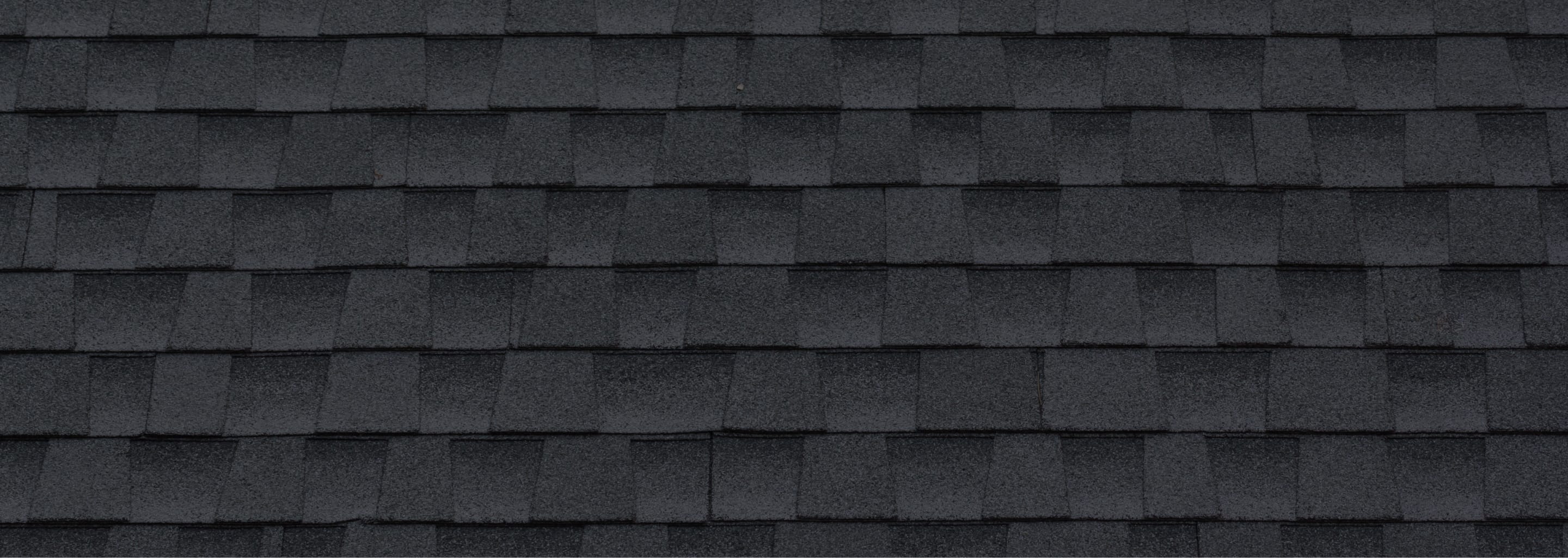
When Roof Stains Mean It’s Time for Roof Repair or Roof Replacement
While many homeowners view roof stains as minor cosmetic blemishes, ignoring them can lead to serious consequences. Knowing when discoloration signals deeper issues is critical to avoiding unexpected expenses. Persistent algae stains, spreading black streaks, or recurring plant debris stains are often early warnings that your roof is no longer performing as it should.
If you're constantly battling stains despite regular cleaning, it's a sign that your roofing system might have more serious problems. For example, you could face compromised waterproofing if your asphalt shingles show signs of curling, cracking, or granule loss alongside discoloration. This increases the risk of roof leaks, internal moisture damage, and structural weakening.
One clear indicator is when stains appear with sagging areas or soft spots underfoot, both signs of underlying rot or roof shrinkage due to prolonged dampness. In these cases, simple cleaning or patchwork won’t resolve the issue. It becomes a question of whether targeted roof repair will suffice or if it's time for a roof replacement to restore protection fully.
Another red flag is when algae become lichen—call for professional assessment immediately. The presence of lichen suggests that the roof has been neglected long enough for advanced biological growth to take hold, which often accelerates the deterioration of the roofing material.
Roofs suffering from poor installation, chronic clogged gutters, or outdated materials are more likely to face repeated staining and damage. If your roof is nearing the end of its expected lifespan, ongoing problems with roof algae, leaks, and structural wear may make a new roof the most cost-effective solution.
Consulting a trusted roofing contractor will help determine if you're dealing with isolated issues or if widespread staining and damage point toward full replacement. A professional can evaluate factors like ventilation efficiency, drainage, and compliance with shingle manufacturer specifications to guide your next steps.
Call LOA Construction at 855-661-3431 to schedule your free inspection today!
