Common Roof Issues - Chemical Contamination From Industrial Air Pollution in Roofing Materials
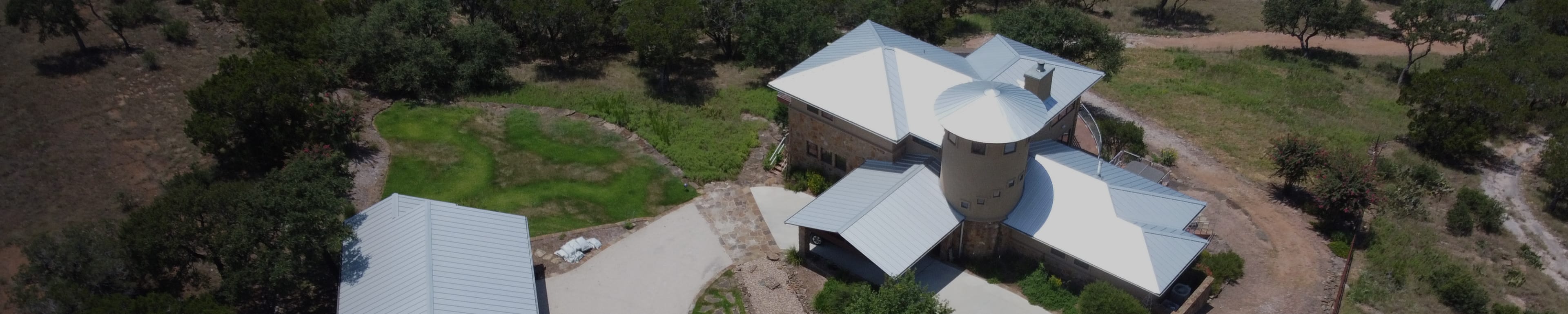
Indoor air quality is a big issue for your home, but air pollution outdoors is also an influencing factor for more than your health. There are volatile organic compounds and chemicals in the air that can cause roof damage.
Chemical contamination from industrial air pollution is a growing concern for property owners, especially in urban and industrial regions of Texas. Pollutants like sulfur dioxide, nitrogen oxides, heavy metals, VOCs and acidic particulate matter settle on rooftops, reacting with roofing materials and causing costly repairs.
While it may not be a problem that many property owners are aware of, they should know how chemical contamination issues start, how it damages roofs and practical steps for repairing and preventing it.
Are elevated concentrations of chemical contaminants harming your roof?
Schedule a Free Roof Inspection to Gauge the Extent of the Damage
Types of Chemical Contamination That Impact Roofing Materials
Just as chemicals can cause indoor air problems, they can do harm to the exterior of your home too. Chemicals that can contaminate a roof the most are:
- Atmospheric Deposition: Industrial emissions release sulfur, nitrogen compounds, heavy metals, chlorine, ammonia and volatile organic compounds into the air. These pollutants settle on roofs via dry deposition or get absorbed into rain, forming acid rain.
- Acid Rain: High pollution levels lead to acidic rainfall, which reacts with roofing materials especially metal, asphalt shingles and concrete.
- Particle Wash-Off: Heavy rains can cause roof runoff that washes accumulated chemicals into gutters and the polluted stormwater runoff further increases the environmental damage.
How Contaminated Air Quality Causes Roof Damage
Common roofing materials like metal roofs, bitumen roofs and asphalt shingles as well as alternative roofing systems like wood shingles, tile roofs, copper roofs and green roofs can be damaged by chemical contamination and heavy metal concentrations in the air. Pollution related damage that you're most likely to see in the roof structure includes:
- Metal Roof Corrosion: Acidic pollutants rapidly corrode steel, copper, zinc and aluminum metal components, causing rust, holes and structural weakness.
- Shingle Breakdown: Asphalt shingles lose granules and decay as acids and VOCs attack the binder, causing bald spots and roof leaks.
- Accelerated Aging & Discoloration: Chemical deposits can bleach colors, promote algae or mold growth and dramatically shorten the roof's lifespan.
- Reduced Energy Efficiency: When the roof experiences surface erosion that breaks down protective coatings and protective sealants the energy efficiency will decline.
- Structural Deterioration: Over time, pollutants reduce the compressive strength and flexibility of the materials, making roofs more vulnerable to wind, hail and other hazards.
How to Repair Chemical Damage on the Roof Surface
The following table outlines common chemical contamination problems, their signs, and appropriate repair solutions:
| Problem Type | Signs & Symptoms | Repair Solutions |
|---|---|---|
| Metal Corrosion | Rust, holes, loose panels | Clean and treat with a rust inhibitor, patch holes and replace severely damaged panels |
| Shingle Decay | Bald patches, leaks, discoloration | Replace affected shingles and apply roof coatings designed for chemical resistance |
| Algae/Mold Growth | Stains, soft spots, musty smell | Clean the roof surface with gentle, non-toxic solutions then reseal if needed |
| Gutters/Downspouts | Corrosion, blockages | Replace corroded parts, flush out contamination and ensure downspouts direct run-off away from structures |
Preventative Measures and Roof Maintenance That Protects Against Harmful Chemicals
- Choose Chemical-Resistant Materials: Opt for roofing products with chemical-resistant coatings, metals and polymers designed for polluted environments.
- Regular Roof Inspections and Cleaning: Regular roof maintenance is important in general. Keeping the roof surface clean removes pollutant buildup, especially after major rain events.
- Gutter Maintenance: Keeping the gutters clean is also important. Ensure water run-off isn't draining into sensitive areas and that downspouts remain clear.
- Protective Coatings: Consider applying elastomeric, acrylic, silicone or bituminous coatings formulated to resist chemicals.
- Tree and Vegetation Buffers: Plant trees and shrubs a safe distance from buildings to absorb airborne pollutants and block some deposition.
- Monitor Local Air Quality: Stay aware of industrial activity and adapt maintenance schedules accordingly.
Industrial air pollution challenges a roof's durability, but smart material choices, proactive inspections and specialized coatings will keep your rooftop resilient and extend its service life despite harsh environmental threats.
LOA is among the select roofing companies in the Austin metro that knows how to handle chemical contamination that compromises roof materials. If you believe air pollutants are damaging your roof surface give us a call us at 512-375-3654 or schedule a free inspection so we can assess the situation.