Common Issues That Increase the Risk of Roof Fires
Work With the Best Roofing Contractors in Central Texas


Quality is at the heart of our Austin roofing company in every project we take on. Contact our experienced Central Texas roofers for a same-day, pressure-free inspection. Call 512-375-3654 to book your free inspection.
If you need a new roof installed, LOA is the roofing company to call! Our roofing experts are known for providing quality workmanship at a fair price. If you own a house or business in Central Texas you can't afford to work with another roofer.
Find out how much roof replacement will cost in Austin, Texas and the surrounding areas.

Why Roof Fire Risks Must Be a Top Priority
Roof fires are one of the most devastating threats a home or building can face. While wildfires and external flames are well-known culprits, what many property owners overlook are the common roof issues that quietly increase the chances of a fire starting or spreading. Poor roof coverings, lack of maintenance, and overlooked damaged shingles all contribute to a roof vulnerable to heat, sparks, and open flames. When combined with combustible materials, poor ventilation, or improper installation, even a small hazard can ignite into a disaster.
Understanding the subtle but dangerous relationship between roofing problems and fire risk is crucial. Whether dealing with a leaking roof, aging roofing materials, or clogged gutters, addressing these vulnerabilities is more than routine roof repair—it protects your family, property, and peace of mind.
If you're unsure about your roof's condition, contact LOA Roofing & Construction for a free, no-pressure inspection. Call 855-661-3431 or visit LOA Roofing & Construction today.
Roofing Problems That Undermine Insulation
Your roof is your home’s first line of defense, but even minor issues can compromise insulation over time. Problems like roof leaks, damaged shingles, and deteriorating roofing material allow moisture to seep into insulation layers, reducing their effectiveness.
Regular roof inspections are crucial for catching early signs of wear before they escalate. A compromised roof doesn’t just affect the exterior—it disrupts your home's energy balance, making insulation less efficient and leaving your roof vulnerable to long-term damage.

Structural & Material Triggers
Roof Shrinkage and Material Stress
Over time, roofing systems—especially those with synthetic membranes—can experience roof shrinkage, putting stress on seams, fasteners, and flashing. These stressed areas can crack or pull apart, exposing underlying materials vulnerable to heat, moisture, and eventually fire damage. In some cases, shrinkage around vents or corners creates gaps that allow smoke or embers to penetrate. Identifying these early through regular inspections helps prevent water damage and fire-related structural problems.
The Role of Metal Roofing in Fire Resistance
Metal roofing is one of the most flame-resistant roofing options available today. Unlike wood shakes or older asphalt shingles, metal does not ignite, even under direct exposure to flames or embers. It's also durable against extreme temperatures and resists damage from strong winds. While often more expensive up front, steel roofing can dramatically reduce the chance of fire damage and lower long-term maintenance costs. It's especially beneficial in areas prone to wildfires or intense heat.
Combustible Materials Hidden in Your Roof
Even if your outer roof coverings are fire resistant, the layers beneath may pose a threat. Flammable materials like plywood sheathing, untreated wood framing, and certain insulation types can fuel a fire from the inside out. If a flame penetrates through a gap or vent, these hidden materials can ignite rapidly, causing significant structural damage before the fire is even visible. This is why efficiently installed fire barriers, roof inspection, and fire retardants in underlying layers are critical to enhancing your roof’s overall fire resistance.
Poor Ventilation and Internal Heat Buildup
Poor ventilation is a silent contributor to roof fires. When air can't circulate properly through the attic or roofing system, internal temperatures can soar, especially during summer or when heating solutions are overworked in winter. This excess heat dries out wood framing, making it more flammable. It can also accelerate the breakdown of roofing elements, leading to cracks and gaps that allow embers to enter. Ensuring your attic is well-ventilated and inspected regularly can drastically reduce the chances of a fire starting from within your roof structure.
Damaged Flashing and Entry Points for Fire
Damaged flashing might seem minor, but it can open critical entry points for heat, embers, and moisture. Flashing is designed to seal areas where the roof meets features like chimneys, vents, or skylights—naturally vulnerable places. When flashing deteriorates, it leads to roof leaks and water damage and allows flames and smoke to enter and spread into attic spaces. Replacing or repairing flashing promptly is key to protecting against water and fire damage.

Prevention and Mitigation
Fire-Resistant Roofing Materials You Should Consider
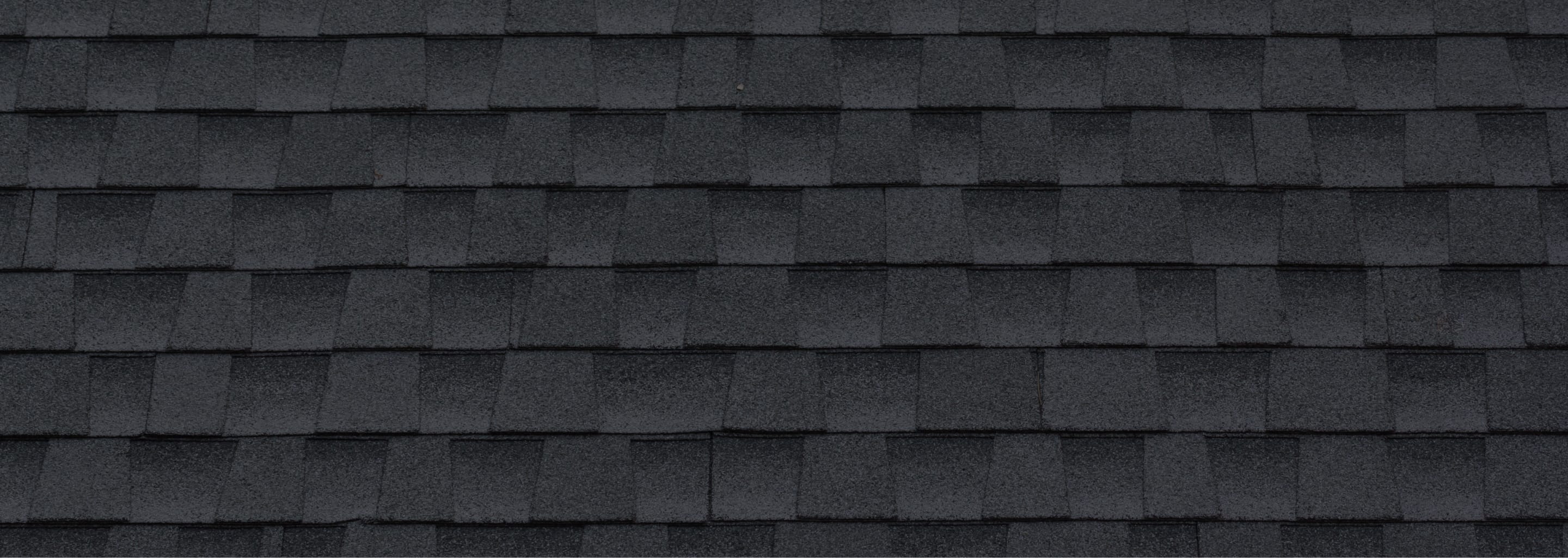
Choosing the right roofing materials is one of the best defenses against fire. Class A-rated options like metal panel roofing, concrete tile, and asphalt roofing shingles treated with fire retardants provide exceptional fire resistance. These materials resist ignition, limit flame spread, and offer a longer lifespan than traditional options like wood shakes.
Properly Installed vs. Poorly Installed Roof Systems
A properly installed roof ensures tight seals, correct ventilation, and secure placement of shingles and flashing. In contrast, poor installation can leave open seams, misaligned layers, or awkward areas sealed improperly—all of which increase fire risk. Even high-quality roofing elements can’t perform if they aren’t installed correctly.
The Role of Roofing Contractors in Fire Prevention
An experienced roofing contractor is critical in identifying and mitigating fire risks. Comprehensive inspections can detect roof problems like damaged flashing, improper materials, or failing sealants. Contractors can also recommend fire retardants, suggest better roof coverings, and properly install or upgrade to fire-resistant options.
Using Fire Retardants in Roof Construction
Incorporating fire retardants into your roof construction is a smart preventative measure. These treatments—applied to roofing materials, underlayment, and sheathing—can significantly slow the spread of flames. Whether integrated during manufacturing or applied post-installation, fire retardants add a critical layer of protection, especially in homes near fire-prone areas.
