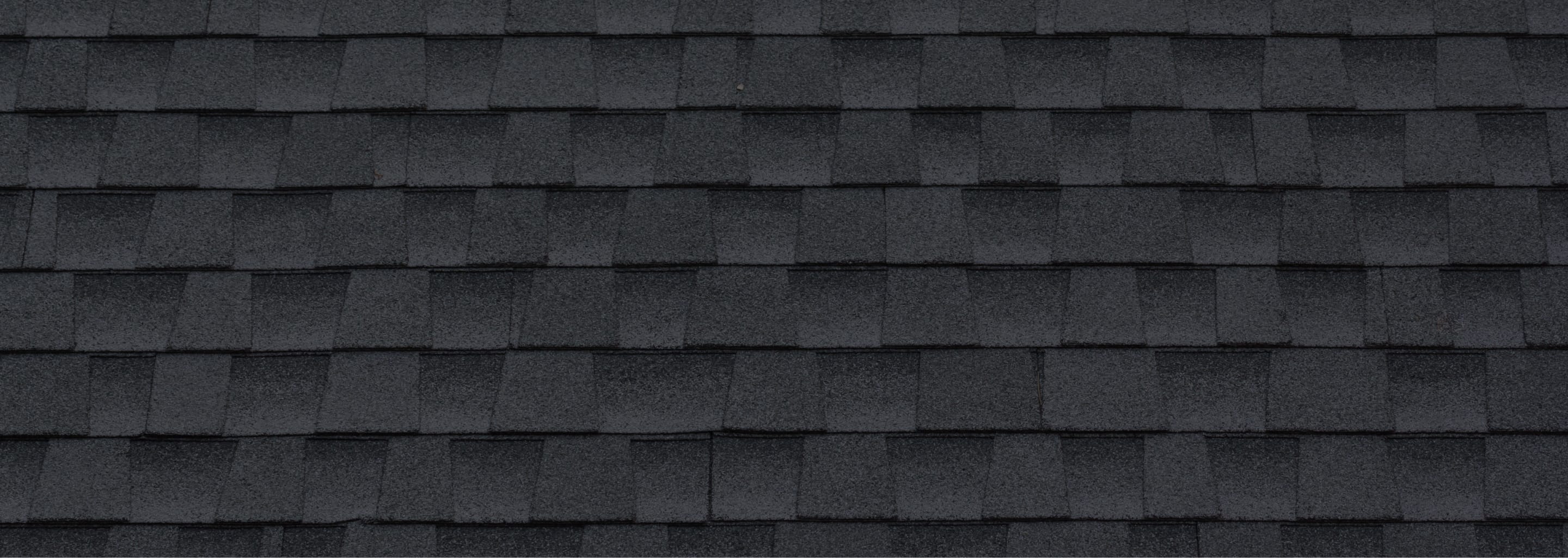
Granule Loss on Shingles
Work With the Best Roofing Contractors in Central Texas



Quality is at the heart of our Austin roofing company in every project we take on. Contact our experienced Central Texas roofers for a same-day, pressure-free inspection. Call 512-375-3654 to book your free inspection.
If you need a new roof installed, LOA is the roofing company to call! Our roofing experts are known for providing quality workmanship at a fair price. If you own a house or business in Central Texas you can't afford to work with another roofer.
Find out how much roof replacement will cost in Austin, Texas and the surrounding areas.

Why You Want to Pay Attention to Asphalt Shingle Granule Loss
Over 80% of residential roofs are made with asphalt shingles. It's a roofing material that provides a great balance between longevity and affordability. However, getting the longest lifespan out of an asphalt shingle roof requires regular roof inspections, maintenance and making repairs as soon as an issue arises.
You'll know it's time to give your roof some attention when you notice granule loss.
Are the granules coming off your asphalt shingles?
Contact the LOA Team for a FREE Roof Inspection to find out what to do about it!

What Causes Asphalt Roof Shingles to Deteriorate
The mineral granules on asphalt shingles can come off for various reasons, some of which are unavoidable. Here are the most common reasons loose granules have become an issue.
UV Exposure
Sun exposure is likely a factor to some degree. The same roof can have dramatically different longevity depending on whether or not it gets full exposure to UV rays throughout the day. But that's to be expected since the granule layer is designed to protect the deeper layers from UV damage.
Wear and Tear Over Time
Shingles can also shed granules simply because the roofing materials are aging. As a shingle roof ages, loose granules happen because of general wear and tear that's experienced over time.
Aggressive Washing
Roof cleaning is a part of comprehensive roof maintenance, but it has to be done in the right way or you could end up causing damage rather than preventing it. Using a pressure washer to clean an asphalt shingle roof may not be the best idea since the water pressure can loosen granules and accelerate granule loss.
Inadequate Attic Ventilation
All roofing materials perform better when the temperature in the attic is regulated. That requires adequate insulation and attic ventilation. Without it the attic can overheat or create hot spots that overheat the asphalt shingles and cause them to degrade.
Bad Weather
In Texas, storms that usher in heavy rain, high winds and hail can leave you with premature granule loss. Storm damage from heavy snow can also cause granule loss.
Defective Roof Shingles
It doesn't happen often, but if shingles deteriorate shortly after installation they could be defective. Premature granule loss can be from the manufacturing process This is why it's important to check the warranties for any roof material that you plan to use.
Improper Installation
Once again, the issue could be the result of improper installation. It could be a matter of application or material selection. Either way, a bad roof installation can be the reason your roof is losing granules.