Faulty Flashing in EPDM Roofing: Installation Issues That Cause Flashing Problems
Work With the Best Roofing Contractors in Central Texas


Quality is at the heart of our Austin roofing company in every project we take on. Contact our experienced Central Texas roofers for a same-day, pressure-free inspection. Call 512-375-3654 to book your free inspection.
If you need a new roof installed, LOA is the roofing company to call! Our roofing experts are known for providing quality workmanship at a fair price. If you own a house or business in Central Texas you can't afford to work with another roofer.
Find out how much roof replacement will cost in Austin, Texas and the surrounding areas.

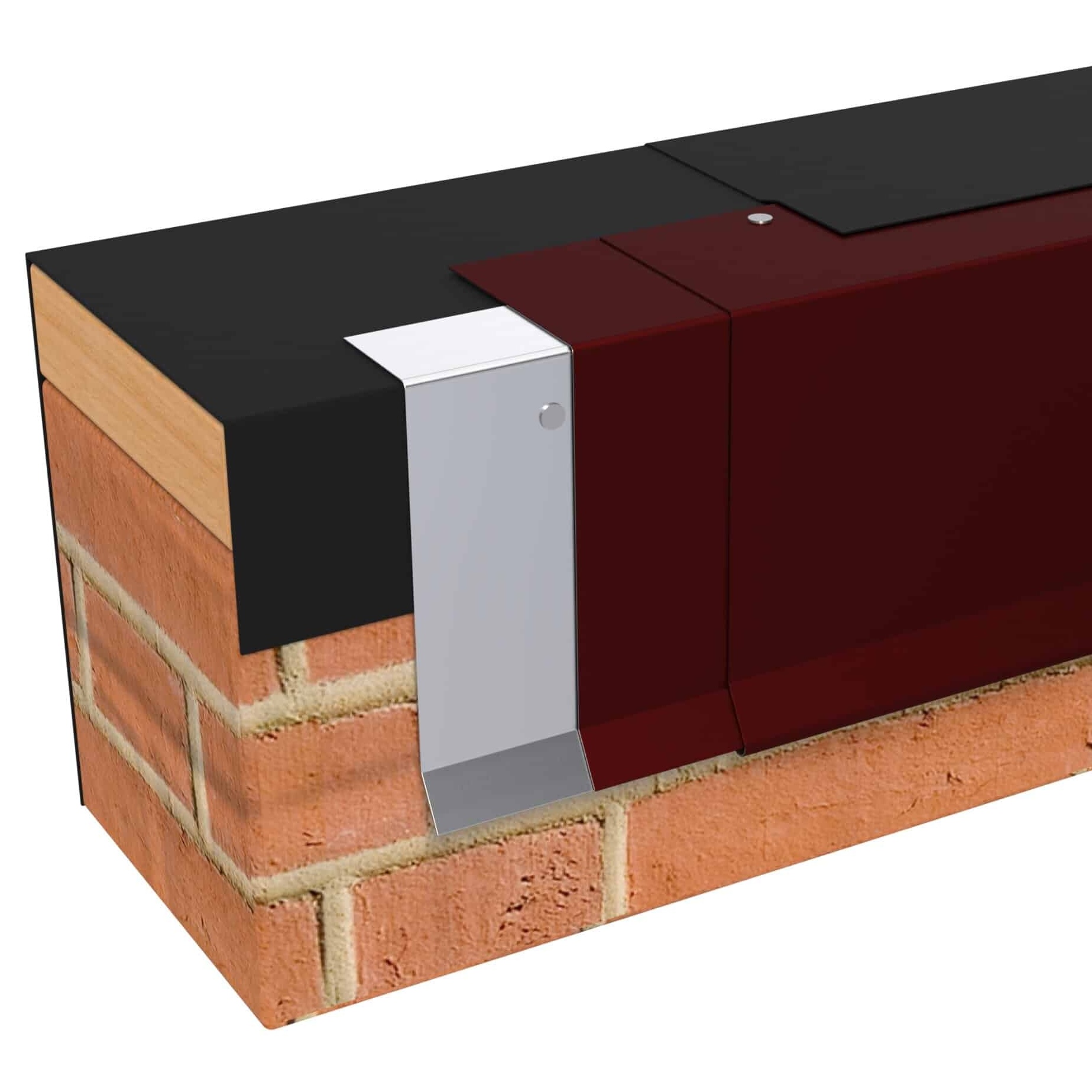
Flashing is one of the most critical underlying components of any roofing system, including EPDM roofs. When the flashing isn't installed correctly it can lead to a number of problems that compromise more than the roof.
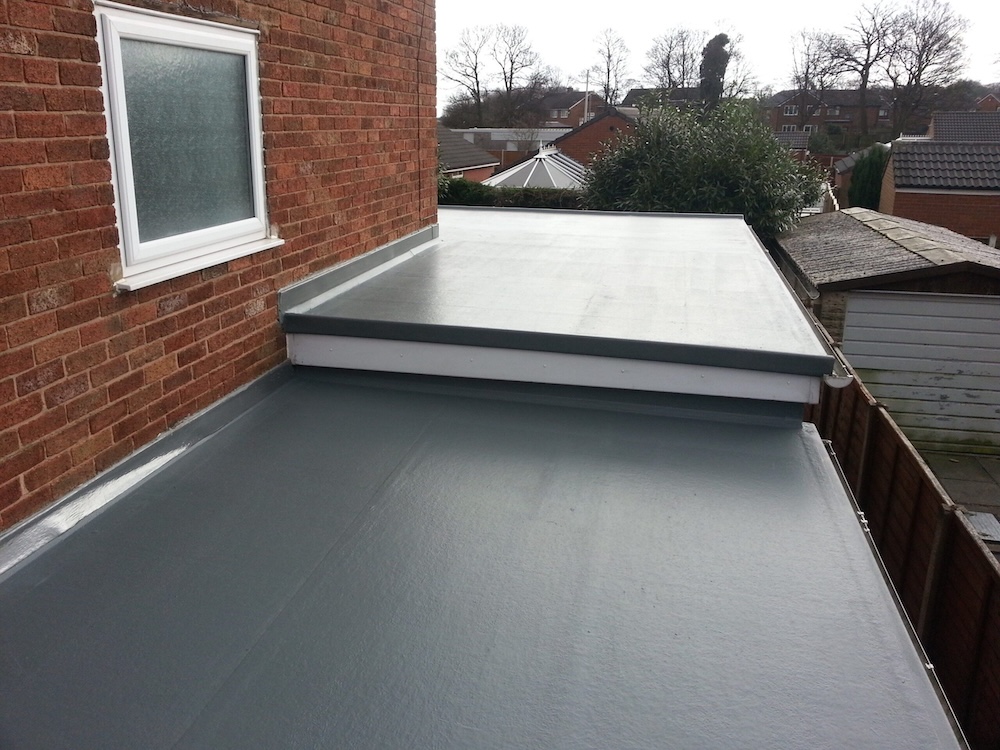
The flashing of a EPDM roof helps to prevent moisture from leaking through to the roof deck at the most vulnerable points. It's used around roof vents, pipes, chimneys and along valleys. Basically anywhere there is a seam where a wall meet the roof or penetration point you should find flashing.
Water penetration, leaks, mildew growth and water ponding are all common problems when the flashing isn't installed right. Membrane shrinkage is another significant problem associated with improper installation. The issue may not be noticeable at first, so without regular maintenance and inspections flashing installation problems could go from bad to worse leading to extensive repairs that could have been avoided.
Is the flashing of your EPDM roofing looking faulty?
Contact LOA to Line Up a Free Roof Inspection to Find Out For Sure!

EPDM Membrane Flashing Repair Options
When there are flashing installation issues you'll need the help of a professional roofer that understands EPDM roofing systems. There are a few ways to approach this type of EPDM roof damage. The best course of action for roof repairs depends on the flashing issue.
Replace Incompatible Materials With Compatible Options
Proper techniques involve using compatible materials. With an EPDM rubber membrane flashing tape is usually the best option. It's self-curing and flexible making it great for irregular shapes and surfaces. Semi-cured overlayment strips are also ideal for ends and edges since it provides added tear resistance.
Fix Loose Spots With Adequate Adhesion
Another reason flashing comes loose is inadequate adhesion of the roof membrane. It can be especially problematic around penetration points. Have the roof inspected by a professional who can identify areas where the adhesion is an issue then follow up by properly sealing those areas so there's no movement. The roofer will also need to ensure the right sealant and proper pressure is used to adhere flashing after the roofing membrane is securely in place.
Use Termination Bars
If there are issues with water penetration at the top of the roofline, then termination bars may need to be installed. They are fastened to the substrate at the top of flashing to create a watertight barrier.
Repair and Patch Damaged Areas of the Roof System
If portions of the roof have sustained water damage they'll need to be repaired when the flashing is fixed. This typically requires patching over the damaged portion of the EPDM membrane and removing pieces of flashing. You'll have to cut out the damaged flashing, thoroughly clean the area then install a new piece of flashing that's the correct material and size. The new flashing will need to overlap the old flashing by a few inches on either side.
Don't Let Poor Maintenance Cause More Potential Problems
Even if your replace the flashing, regular inspections and minimal maintenance are needed to keep an eye out for future issues. Storms that bring heavy rainfall and cause falling branches can damage the flashing overnight. There could also be other problems like membrane shrinkage that causes flashing to come loose.
Because the flashing is essential for preventing water penetration, mold growth and structure damage, always inspect the roof after adverse weather and at least once a year even if there are no storms. Follow up with roof maintenance that can help you avoid major repairs and improve performance over the long-term.
The roofers at LOA can fix roof flashing in a flash. We'll figure out the underlying problems and best roofing solutions to get it resolved quickly. If you're experiencing flashing problems in the Austin, TX area, give us a call at 512-375-3654.