Common Roof Issues - Capillary Water Action in Roofing
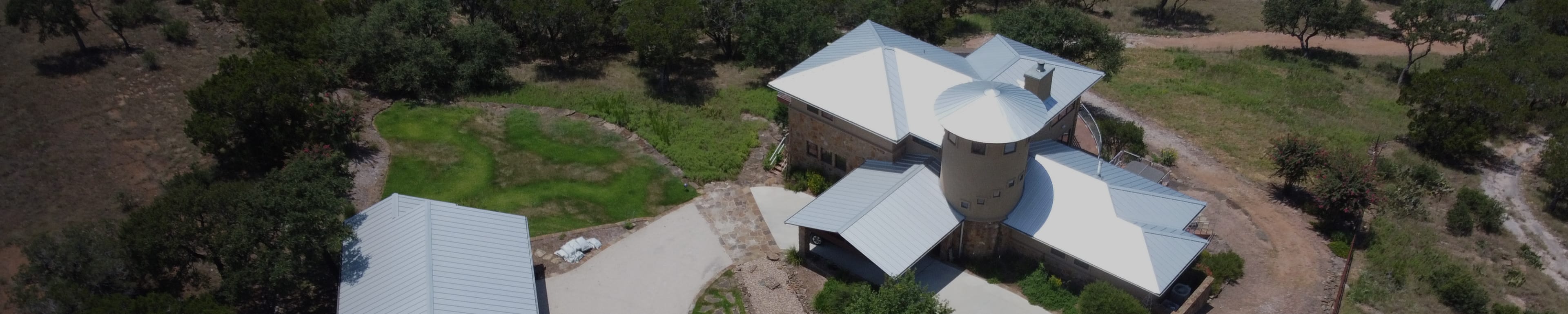
Capillary water action in roofing is a phenomenon that can cause leaks and structural damage, and yet few property owners know anything about it. In the unpredictable Texas climate it can be particularly problematic.
We're filling you in on what every property owner in the Austin area should know, from the science and risks to solid repair and prevention strategies.
Think capillary action is a problem for your roof?
Request a Free Roof Inspection From LOA's Experts to Know For Sure!
What is Capillary Action?
Capillary action describes how water moves through narrow spaces, cracks or overlaps in roofing materials, often seeming to defy gravity. The movement occurs due to the forces of adhesion from water sticking to surfaces, cohesion from water molecules sticking together and surface tension. In roofing, it typically occurs:
- Through tiny pores in materials like concrete, masonry or wood.
- Along overlaps in steel roof sheets or membrane roofing sheets, especially if seals degrade or gaps remain.
- Beneath flashing where water is "drawn" upward or sideways into the roof assembly during rain or in warmer more humid environments.
As you may expect, even small amounts of water being drawn into the roof space below the surface is never a good thing. That's why capillary water action can be problematic in a big way.
How Can Capillary Action Damage a Roof?
When capillary action pulls water below the roof surface into tight spaces serious issues can start without you even realizing it. Damage to the roof system caused by capillary action includes:
- Hidden Roof Leaks From Capillary Draw: Capillary draw is a roof leak that is caused by capillary action. As capillary draw occurs water sneaks under asphalt shingles, the flashing and overlaps, reaching into roof cavities, insulation and decking.
- Mold, Rot and Decay: Persistent accumulating moisture from capillary intrusion breeds mold, causes wood rot and leads to roof deck deterioration.
- Rust and Corrosion: In metal roofing systems, trapped moisture accelerates rust at the laps and seams.
- Efflorescence and Plaster Damage: In masonry or concrete roofs, capillary water brings salts to the surface, causing visible damage and crumbling.
How to Repair Capillary Action Damage Within the Roof Structure
The following table outlines common capillary action problems, their signs, and appropriate repair approaches:
| Problem Type | Signs | Repair Approach |
|---|---|---|
| Flashing Leaks | Drips at roof penetrations | Reseal or replace flashing properly with drip edges and weatherproof sealants |
| Mold, Rot or Decayed Roof Decking | Musty smells, spongy wood | Remove affected materials, treat with fungicide and replace decking |
| Rust/Corrosion at Laps | Red stains, weakening metal | Clean rust, prime, reseal joints and use bituminous or elastomeric sealants |
| Efflorescence/Crumbling Plaster | White deposits, soft plaster | Chip out the damaged plaster, treat substrate, apply damp-proof barrier and replaster |
How to Prevent Capillary Action Problems
Because damage when capillary action occurs can easily go unnoticed until it's a serious issue, prevention is key. To make sure it doesn't happen you'll need to:
- Properly Seal: Ensure all sheet laps, flashing and penetrations are sealed according to manufacturer specs.
- Use Wide Overlaps: Use wide overlaps with outward-facing drip.
- Use High-Quality Sealants: Choose rubber or mastic seals that are resistant to movement and weathering at critical joints.
- Moisture Barriers: Install damp-proof barriers and waterproof membranes, especially with porous substrates.
- Routine Inspection and Maintenance: Watch for rust, soft decking and new stains then address issues before they escalate.
- Ventilation: Promote air flow within the attic and roof cavities with adequate ventilation to speed drying time and reduce moisture retention.
Capillary action is subtle but can create major problems if it's ignored. The problem is it's an issue that can be hard for property owners to spot on their own. Proactive prevention, prompt repairs and reliable sealing keep your roof system strong, even as water sneaks in one molecule at a time.
LOA has the expertise to identify if capillary action is a problem for your roofing system. If your property is in the Austin area give us a call at 512-375-3654 or schedule a free roof inspection online.
Back to Blog