Common Roof Issues with Asphalt and Fiberglass Shingles
Work With the Best Roofing Contractors in Central Texas


Quality is at the heart of our Austin roofing company in every project we take on. Contact our experienced Central Texas roofers for a same-day, pressure-free inspection. Call 512-375-3654 to book your free inspection.
If you need a new roof installed, LOA is the roofing company to call! Our roofing experts are known for providing quality workmanship at a fair price. If you own a house or business in Central Texas you can't afford to work with another roofer.
Find out how much roof replacement will cost in Austin, Texas and the surrounding areas.

Asphalt and Fiberglass Shingles
Roof problems frequently begin with the small, a lacking shingle roof, a faint stain and are overlooked till they end up extreme. Even long-lasting materials like fiberglass shingles can wear down over time, particularly in harsh Texas weather.
At LOA Construction, we’ve spent years helping homeowners across Austin, Houston, and San Antonio spot and fix these issues early. Call 512-375-3654 to schedule your free comprehensive inspection; no pressure, just honest answers.

How Asphalt Shingle Roofs Break Down Over Time
Roofs don’t wear out all at once. It’s slow. You probably won’t notice it at first. A little fading here, a few edges lifting there. But over time, asphalt shingles start to break down, especially under that strong Texas sun. Heat dries them out. UV rays eat at the top layer. Then the rain comes in, and before long, you’ve got little weak spots turning into bigger ones.
One thing a lot of folks miss? Algae. You’ll sometimes see those dark streaks running down the roof’s surface, which can indicate problems with individual shingles. Doesn’t look like much, but that algae growth holds moisture and breaks down the shingles bit by bit. In cold climates and chillier spots, the problem’s exclusive ice bureaucracy melts, freezes again. That returned-and-forth pulls on the shingles, and occasionally they don’t settle back down right.
If the roof doesn’t get checked now and then, small stuff becomes expensive real quick. And by the time you see water spots inside, it’s already been happening for a while.
Fiberglass Shingles vs. Organic Shingles
Now, most modern roofs use fiberglass shingles. They’re lighter, they maintain higher in the warmth, and they don’t soak up moisture the way the antique natural ones did. Plus, they’re more heat resistant, which is a big deal here in Texas.
Organic shingles? They’ve kind of faded out. Heavier, break down faster, especially in wet climates. They had their time, but fiberglass has mostly taken over.
Price-wise, fiberglass shingles cost a bit less per square foot for a lot of folks. And because they last longer and don’t need as much upkeep, you usually save more over time. That said, they’re not bulletproof. We’ve seen brand-new fiberglass shingles curl up or blow off because of poor ventilation or a sloppy install. So yeah, material matters, including asphalt shingles, but so does the work behind it.
Warning Signs of Roof Failure
If your shingles are curling up, sliding out of place, or just look brittle, something’s off. The same goes for any soft spots when you walk up there or worse, if you spot water inside. Those little things tend to mean trouble is brewing underneath.
You don’t need to panic, but you may not want to disregard it. Moisture builds up fast, especially with faulty ventilation, and as soon as it hits the roof deck, the damage spreads. Some folks wait until there’s a full-on leak before calling. You are probably looking at more than just a patch process at that factor.
Understanding the early warning signs and symptoms can save a significant amount of money and complications down the road if the roof is properly maintained.

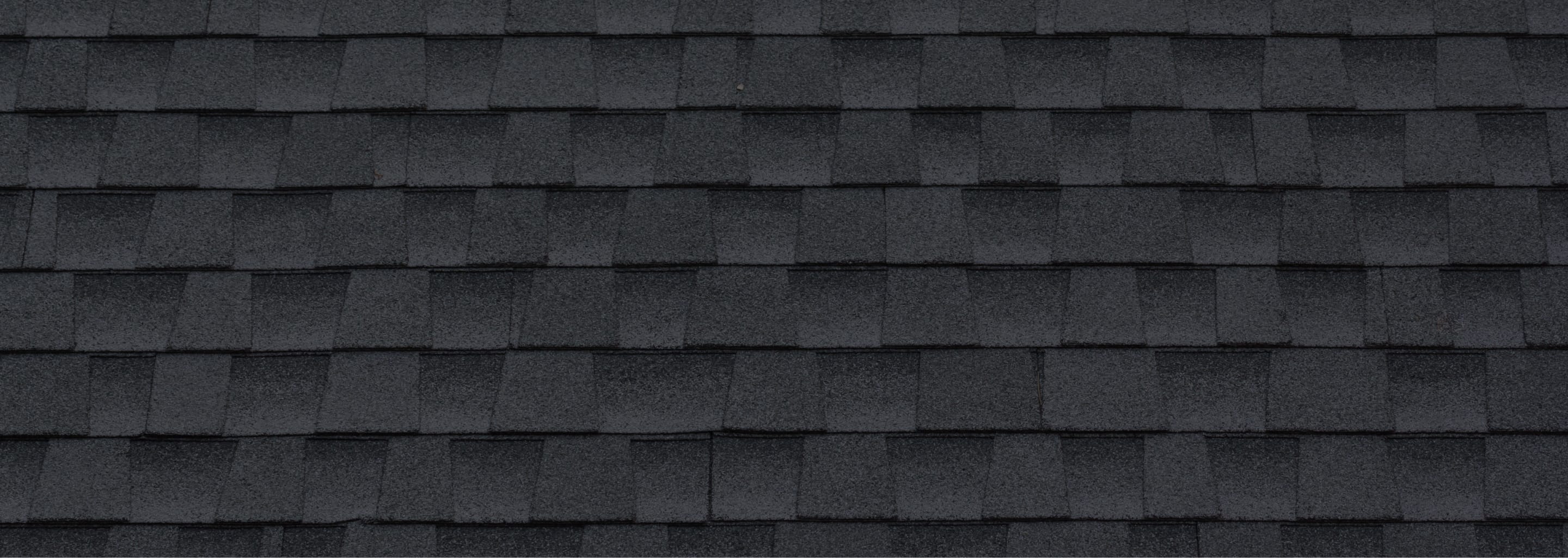
What are the reasons for Roof troubles in Asphalt Shingles?
Most roof problems don’t start with a big, obvious event. It’s usually the small stuff that adds up over time. Here’s where we see roof issues show up most often:
Clogged Gutters
It appears minor, however, clogged gutters are a huge deal. While water can’t drain properly, it simply sits there, mainly in cold climates, or worse, it backs up beneath the shingles. Over time, that extra moisture starts to wear down the threshold of the roof except those awkward regions are appropriately sealed. We’ve seen rotted wood, soft spots, and even mold.
Ice Dams
If you live somewhere that receives snow, this one’s sneaky. Heat attic air melts the snow on your roof, then it refreezes alongside the rims. That ice continues to construct till water has nowhere to head but beneath the shingles. Once that happens, leaks usually aren’t far behind.
Awkward Spots That Aren’t Sealed Right
Every roof has regions that are harder to address around vents, chimneys and skylights. If those aren’t sealed well, even a small hole is enough for water to penetrate the protective barrier and work its way in, leading to various roofing options you could need to bear in mind. It'd take months to observe, but the harm continues to be going on.
Roof Shrinkage
Some roofing materials deteriorate as they age, mainly in intense temperatures. At the same time that it takes place, it pulls at the shingles and might cause cracking, tearing, or even cut-up seams. It’s diffused, however, adding pressure to the whole roof machine, probably leading to structural damage.
Underlying Structural Issues
Occasionally, the shingles appear nice, but the wood beneath is starting to give way. A susceptible or moving structure can make shingles buckle, loosen, or settle erratically. You might not see it right away, but over time, the signs begin to show, typically when it’s too overdue to ignore.
Most folks figure a roof will last as long as it’s supposed to, but the truth is, how you take care of it makes all the difference. Even something as simple as cleaning out the gutters can help you avoid a whole string of expensive problems down the line.
Roof tune-ups. Every couple of years, it is a terrific venue to begin. Those brief checkups capture things like unfastened shingles, small cracks, or flashing that’s beginning to peel up. Fixing those minor issues early prevents moisture from entering and protects the layers underneath.
Gutter guards can also make a huge difference. When leaves and particles don’t clog things up, water flows find it irresistible, must, and that helps prevent standing water from pooling alongside the roof’s edge or seeping into the underlayment, emphasizing the need for correct ventilation.
Speaking of that layer, the roof underlayment performs a massive role. It sits properly under the shingles and is a part of the roofing substances that act as a 2d line of defense against water. If the shingles get damaged, it prevents leaks from reaching the roof deck.
