Common Roofing Issues: Poor Surface Preparation on Roof Coatings
Work With the Best Roofing Contractors in Central Texas

Quality is at the heart of our Austin roofing company in every project we take on. Contact our experienced Central Texas roofers for a same-day, pressure-free inspection. Call 512-375-3654 to book your free inspection.
If you need a new roof installed, LOA is the roofing company to call! Our roofing experts are known for providing quality workmanship at a fair price. If you own a house or business in Central Texas you can't afford to work with another roofer.
Find out how much roof replacement will cost in Austin, Texas and the surrounding areas.

Poor Preparation is One of the Most Common Roof Coating Problems - And We Have the Solution
It doesn't matter if it's a reflective roof coating, acrylic coating system or one of the elastomeric coatings. If the roof coating isn't applied correctly it won't perform correctly.
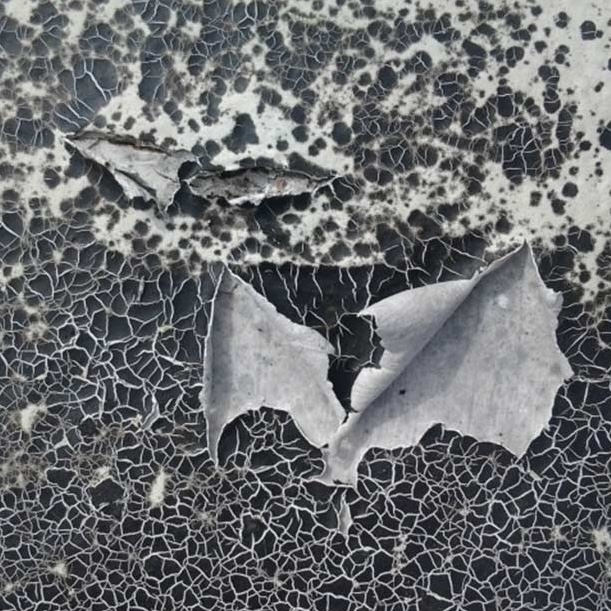
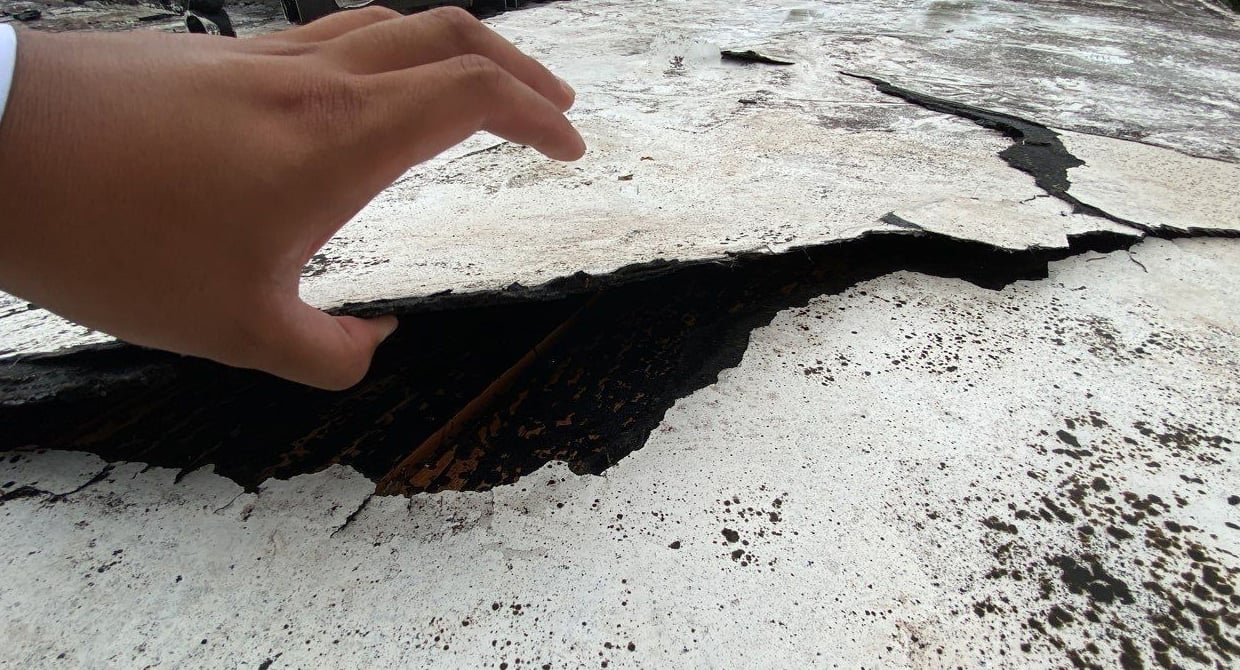
One of the most important parts of the roof coating process is proper surface preparation. Neglecting the surface preparation before the roof coating goes on is a gamble with serious consequences - not just for the coating itself but for the long-term safety and integrity of your roofing system. When surface prep is skipped or doesn't follow the coating manufacturers suggestions, poor adhesion can cause a number of problems.
Sometimes the only way to correct it is full removal and re-application of the coating, turning what should be a smart investment into an expensive fix. And at commercial properties, interruptions caused by the subsequent damage or roof coating repairs can mean lost productivity and higher operational costs.
It’s estimated that a majority of premature roof coating failures arise from inadequate prep, especially when metal roof coatings fail. Here's a closer look at why a well-prepped surface is always the unsung hero of any successful roof coating job.
Was your roof compromised by poor surface preparation?
Contact LOA to For Roof Inspection to Check the Coating!

How to Repair Your Roof Coating System After Inadequate Surface Preparation
A professional roofing contractor can repair a roof coating system after improper surface preparation, but it requires a careful, methodical approach. Here’s how LOA roofing professionals tackle the job to ensure proper adhesion so that you get the full benefit of the roof coating.
Inspection and Assessment
The process starts with a thorough roof inspection to identify areas where the coating material has failed. What we're looking for is peeling, bubbling, cracks and soft or damp spots. We'll then test the adhesion and look for trapped moisture using duct tape, moisture meters or infrared scans.
Remove the Damaged Existing Coating
After the inspection it's time to scrape or cut away any coating that’s loose, blistered or otherwise not fully adhered to the roof substrate. This requires feathering out the edges so the repair patch will bond properly.
Surface Prep the Right Way
Now it's time to do what should have been done the first time around. You have to clean the exposed substrate meticulously, removing all dust, dirt and debris with pressure washing or membrane-safe cleaners. This is also the part of the process where you want to address any underlying issues like leaks and cracks. Allow the entire area to dry before moving on to the next step.
Sealing and Priming
It's a good idea to take the extra precautionary step of sealing seams, penetrations and flashing with mastic or reinforced fabric to prevent leaks. Once that's done, apply a primer that's suitable for your roof type to maximize adhesion, especially for difficult surfaces like metal or previously coated areas.
Re-coat and Restore
At this point you can apply the repair coating in even layers, ensuring proper thickness and full coverage. Many systems require a base coat followed by a top coat for UV protection and reflectivity. If the majority of the roof was improperly prepped, a full re-coat may be the best solution to prevent future issues.
Habitual Roof Coating Maintenance
Even when the roof coating is repaired correctly, regular roof maintenance is recommended to catch early signs of trouble. Maintaining the gutters and drains also reduces the risk of standing water that can cause roof coating damage.
LOA's roofers follow all of the proper procedures for applying the coating to any roof's surface. We also offer free inspections to assess the roofing system for improper coating, leaks and more. If your property is in the Austin metro give us a call at 512-375-3654 or request a roof inspection online.