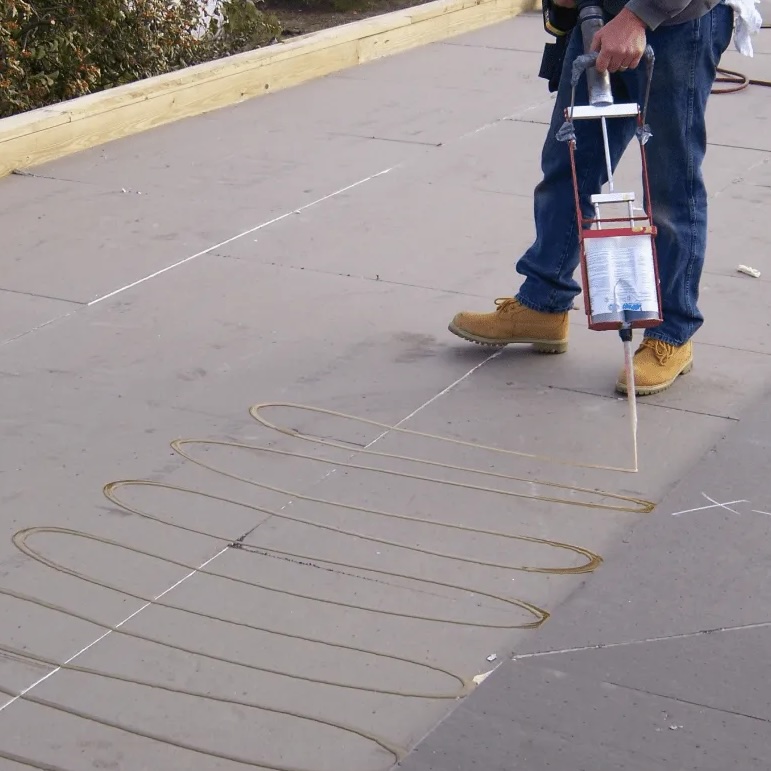
Poor Adhesion in TPO Roofing: Why Your TPO Membrane May Not Stay in Place
Work With the Best Roofing Contractors in Central Texas

Quality is at the heart of our Austin roofing company in every project we take on. Contact our experienced Central Texas roofers for a same-day, pressure-free inspection. Call 512-375-3654 to book your free inspection.
If you need a new roof installed, LOA is the roofing company to call! Our roofing experts are known for providing quality workmanship at a fair price. If you own a house or business in Central Texas you can't afford to work with another roofer.
Find out how much roof replacement will cost in Austin, Texas and the surrounding areas.

When roofing contractors install TPO roof membrane the material is meant to stay in place for many years. The membrane sheets are adhered together at the seams to cover the entire roof in a single ply layer that's watertight.
But what if the sheets of membrane don't stay together?
Poor adhesion is a serious issue that compromises the integrity of TPO roofing. If the membrane isn't properly in place, it won't be water resistant. It can also lead to punctures and tears, lower the energy efficiency and reduce the lifespan of the roofing system.
Needless to say, poorly adhered TPO roofing is an issue that needs to be looked into as soon as possible. Failing to make the necessary roof repairs will only mean further damage down the road.
Not sure if the TPO membrane of your roof is properly adhered?
Contact LOA For a Free Roof Inspection That Will Provide the Answer!

Repairing and Preventing Adhesion Issues With TPO Roofing Systems
The fix for the TPO membrane is pretty clear in this situation - you have to re-adhere the seams that have come loose. Before you do that there are a few important steps to take to fully address the problem if the damage isn't too severe or widespread.
- Have the roof inspected by a roofer that knows the material – The inspection will identify areas with poor adhesion and determine what’s causing the TPO membrane to separate.
- Clean the roof – After locating the problem areas, thoroughly clean the roof surface. Any debris can compromise adhesion. Ensure the roof is completely dry before moving on, as adhesives will not bond properly to a damp surface.
- Repair spots where there's poor adhesion – Use a hot air welder to ensure proper adhesion in small areas so that the TPO sheets are installed correctly for long-term performance.
- Recoating to ensure better protection and performance – Once the TPO membrane has been re-adhered, apply a protective coating to enhance durability and overall performance.
When Replacement May Be Needed
The steps above can be used to repair small areas where the adhesion has been compromised and the damage is minor to moderate. In some cases complete roof replacement may be necessary, including when:
- There are adhesion issues across the entire roof.
- The seam separation is substantial.
- There is significant damage to the materials and insulation underneath.
A professional inspection is the first step in correcting TPO adhesion problems before they create more damage. Homeowners and commercial building owners in Central Texas can contact LOA at 512-375-3654 or reach out online to schedule a free, no-commitment roof inspection!